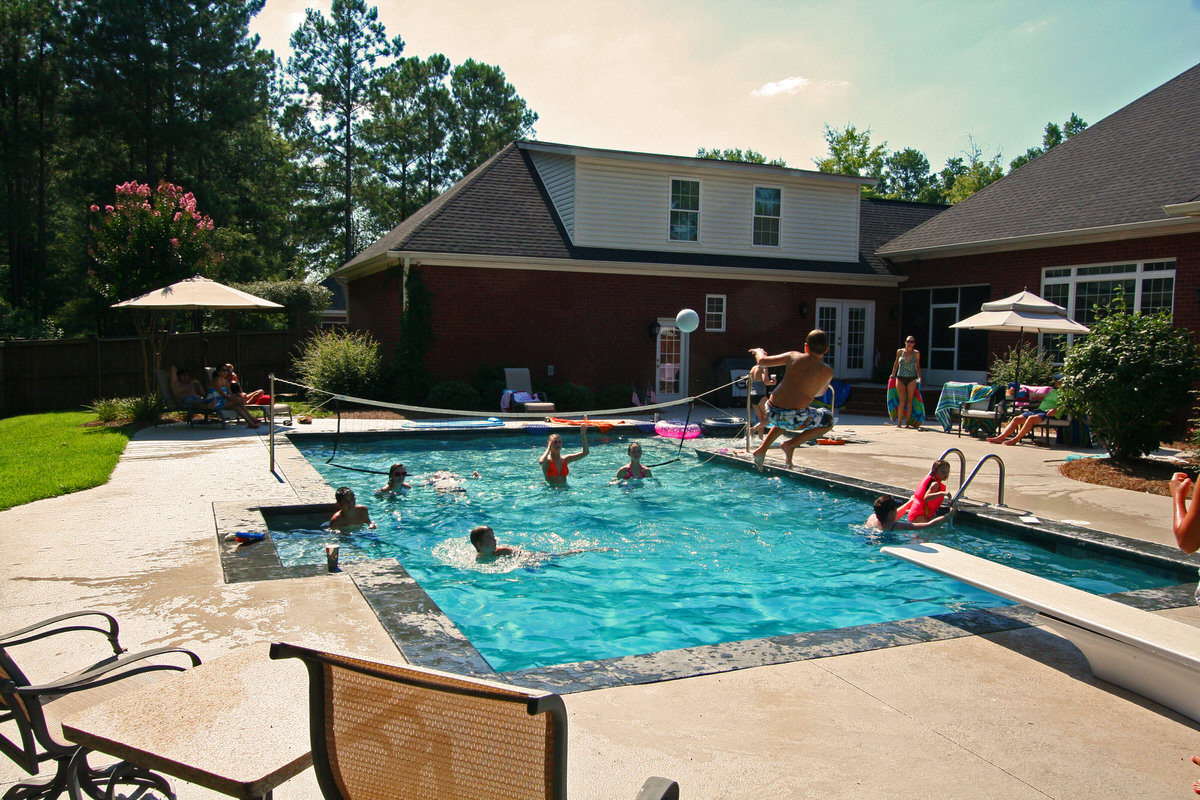

While winter still holds the mid-state region in its cold grip, savvy pool owners are already planning for spring pool openings. Whether you open your pool yourself or hire professionals, early preparation ensures a smooth transition from winter hibernation to swimming season. This comprehensive guide walks you through everything you need to know about preparing for a successful spring pool opening.
Why Plan Your Opening in January?
Avoid the Spring Rush
Pool service companies receive hundreds of opening requests from March through May. By booking your opening appointment in January or early February, you secure your preferred date and often receive priority scheduling. Waiting until spring means settling for whatever slots remain available—often weeks later than you’d prefer.
Professional technicians also have more time for thorough work during slower months. Your opening receives careful attention rather than rushed service during peak season chaos.
Early Problem Detection
Planning ahead gives you time to address issues discovered during winter inspections. If your cover needs replacement, your equipment requires repair, or you need to order specific parts, January planning prevents delays that could push your opening into late spring or early summer.
Budget Preparation
Early planning allows you to budget for opening costs, any needed repairs, and first-season supply purchases. You can research options, compare prices, and make informed decisions rather than facing emergency purchases at premium prices.
Understanding the Pool Opening Process
Professional vs. DIY Opening
Many pool owners wonder whether to handle openings themselves or hire professionals. Consider these factors:
Professional opening advantages:
- Thorough equipment inspection identifying potential problems
- Proper chemical balancing from day one
- Warranty protection on work performed
- Time savings (typically 4-6 hours of labor)
- Expertise with various pool types and equipment
DIY opening advantages:
- Cost savings of $200-$500
- Learning your pool’s systems
- Flexibility to open whenever weather permits
- Satisfaction of self-sufficiency
For first-time pool owners or those with complex equipment, professional openings provide valuable peace of mind and education. Experienced owners comfortable with pool maintenance may prefer DIY approaches.
Typical Opening Timeline
Most pool openings follow this general timeline:
Day 1: Physical opening, equipment inspection, and initial startup Days 2-7: Water chemistry balancing and adjustment Days 8-14: Fine-tuning circulation, filtration, and chemical levels Day 15+: Pool ready for swimming
Chemical balancing can’t be rushed. Even with perfect conditions, achieving consistently clear, balanced water takes 1-2 weeks. Planning your opening accordingly prevents disappointment.
Pre-Opening Preparation Tasks
Late Winter Equipment Inspection
About 4-6 weeks before your planned opening, thoroughly inspect all pool equipment:
Pump and motor:
- Check for visible cracks or damage
- Look for signs of leaking around seals
- Verify electrical connections are secure and dry
- Test operation if you’ve run the pump periodically during winter
Filter system:
- Inspect tank for cracks or damage
- Check pressure gauge functionality
- Examine multiport valve for proper operation
- Verify drain plugs are secure but not over-tightened
Heater (if applicable):
- Inspect for animal nests or debris
- Check vent pipes for blockages
- Examine heat exchanger for corrosion
- Verify gas connections are secure
Automation and controls:
- Replace batteries in wireless devices
- Test digital displays and interfaces
- Verify sensors are functional
- Update software if newer versions are available
Document any problems discovered for repair before opening. Early identification allows time to order parts and schedule service without delaying your opening.
Cover Care and Inspection
Your pool cover protects water quality all winter, but winter weather can damage covers. Inspect yours carefully:
- Check for tears, holes, or worn areas
- Examine straps and anchors for degradation
- Look at seams for separation
- Verify safety covers still support weight properly
Damaged covers should be replaced before next winter. Order replacement covers in spring when selection is best and prices are often lower than fall peak season.
Supply Inventory and Shopping List
Take inventory of current pool supplies and create a shopping list for opening:
Essential chemicals:
- Chlorine (tablets, shock, or alternative sanitizer)
- pH increaser and decreaser
- Alkalinity increaser
- Calcium hardness increaser
- Cyanuric acid (stabilizer)
- Algaecide
Testing supplies:
- Fresh test strips or reagents (replace annually)
- Test kit (if 2+ years old)
Cleaning equipment:
- New filter cartridges if due for replacement
- Pool brush and vacuum head
- Skimmer nets
- Wall brush
Additional items:
- Lubricant for O-rings and gaskets
- Teflon tape for plumbing connections
- Replacement drain plugs if any were lost
Shopping in January or February avoids spring shortages and takes advantage of off-season sales at pool supply stores.
Timing Your Opening
Weather Considerations
The ideal time to open your pool depends on local climate and personal swimming preferences:
Cold climate regions: Late April or early May when consistent temperatures exceed 60°F (15°C)
Moderate climate regions: Mid-March to early April when temperatures stabilize above 55°F (13°C)
Warm climate regions: Late February to early March as temperatures consistently reach 50°F (10°C)
Opening too early means higher heating costs and the possibility of algae blooms during unseasonably warm spells. Opening too late means missing perfect spring swimming weather.
Personal Schedule Planning
Consider your family’s schedule when planning opening dates. Opening your pool when you’re traveling for work or vacation means paying for a running pool you’re not using. Coordinate opening timing with:
- Kids’ spring break weeks
- Major holidays like Memorial Day
- Personal vacation plans
- Local school schedules
The Opening Day Process
Step-by-Step Opening Procedure
1. Remove and clean pool cover:
- Pump off standing water
- Remove debris with soft brush
- Clean with appropriate cover cleaner
- Dry thoroughly before storing
- Store in dry, rodent-free location
2. Reconnect and inspect equipment:
- Replace all drain plugs
- Reconnect hoses and plumbing
- Check for cracks from freeze damage
- Verify pump strainer basket is clean
- Ensure filter is clean or backwashed
3. Fill pool to proper level:
- Bring water to middle of skimmer opening
- Check for leaks as water rises
- Allow time for chlorine from fill water to dissipate
4. Start circulation system:
- Prime pump if necessary
- Bleed air from filter
- Check for leaks throughout system
- Verify proper flow at return jets
- Adjust valves if flow seems restricted
5. Initial cleaning:
- Brush walls and floor thoroughly
- Vacuum debris that settled during winter
- Empty skimmer baskets
- Clean debris from pump strainer
Initial Chemical Treatment
Opening day chemistry focuses on preventing algae and establishing basic balance:
1. Test current levels:
- pH
- Alkalinity
- Calcium hardness
- Chlorine/sanitizer
- Cyanuric acid
2. Add opening chemicals:
- Shock treatment (2-3x normal dose)
- Algaecide as preventive measure
- Metal sequestrant if water shows staining
3. Balance alkalinity first:
- Target 80-120 ppm
- Adjusting alkalinity affects pH, so always adjust alkalinity before pH
4. Adjust pH:
- Target 7.2-7.6
- Use pH increaser or decreaser as needed
5. Stabilize chlorine levels:
- Target 1-3 ppm for opening
- Add cyanuric acid if levels are below 30 ppm
Run circulation continuously for 24-48 hours after chemical treatment. This ensures thorough distribution and mixing.
Post-Opening Water Balancing
The First Week
Water chemistry requires daily attention during the first week after opening:
Daily tasks:
- Test and adjust pH
- Check chlorine levels
- Brush walls and floor
- Skim surface debris
- Empty skimmer and pump baskets
What to expect:
- Cloudy water for 2-5 days after opening
- Fluctuating pH as chemicals settle
- Need for additional shock treatments
- Possible algae blooms requiring treatment
Don’t get discouraged by cloudy water immediately after opening. This is completely normal and clears as filtration continues and chemistry stabilizes.
Achieving Crystal Clear Water
Clear water results from proper chemical balance, adequate filtration, and patience:
Filtration requirements:
- Run pump 8-12 hours daily initially
- Clean or backwash filter when pressure rises 8-10 psi above clean reading
- Consider running pump 24 hours for first 3-5 days
Chemical balance targets:
- pH: 7.2-7.6
- Alkalinity: 80-120 ppm
- Calcium hardness: 200-400 ppm
- Chlorine: 1-3 ppm
- Cyanuric acid: 30-50 ppm
Troubleshooting cloudy water:
- Test and balance chemistry before adding clarifiers
- Ensure filter is clean and functioning properly
- Increase circulation time
- Brush pool surfaces to suspend particles for filtration
- Consider flocculant for severe cloudiness
Common Opening Problems and Solutions
Green Water or Algae Growth
Green water at opening indicates significant algae growth during winter or early spring. Address this aggressively:
- Brush all surfaces to break up algae colonies
- Add triple-dose shock treatment
- Add algaecide according to label directions
- Run pump continuously
- Vacuum to waste to remove dead algae
- Clean or backwash filter frequently (daily if needed)
- Repeat shock treatment daily until water clears
Severe algae blooms may require professional treatment, especially for black algae that resists standard treatments.
Equipment Not Starting
Equipment that won’t start after winter typically has one of these issues:
Pump won’t prime:
- Check for clogged impeller
- Verify all drain plugs are installed
- Ensure valves are open
- Add water to pump strainer basket
- Check for air leaks in suction plumbing
Breakers tripping:
- Verify wire connections are tight and dry
- Check for damaged wiring
- Confirm voltage matches pump requirements
- Test for motor bearing failure
Heater won’t ignite:
- Check gas supply and valve position
- Verify pilot light operation
- Clean burner assembly
- Confirm adequate water flow through heater
Don’t attempt extensive troubleshooting if you’re unsure. Improper work on pool equipment can create dangerous conditions or void warranties.
Leaks and Water Loss
Some water loss from evaporation is normal, but significant drops indicate leaks:
Bucket test for leak detection:
- Fill bucket to about 3 inches from top
- Place bucket on pool step with weight
- Mark water level inside bucket and in pool
- Wait 24 hours
- Compare water loss in pool vs. bucket
If pool lost more water than bucket, you have a leak requiring professional detection and repair.
Stains on Pool Surfaces
Stains appearing after winter typically result from metals in water or organic matter:
Metal stains (brown, green, or blue):
- Test for metal content
- Use metal sequestrant
- Adjust pH to prevent further staining
- Consider ascorbic acid treatment for iron stains
Organic stains (green, brown, or black):
- Brush affected areas vigorously
- Apply granular chlorine directly to stains
- Use enzyme-based stain treatments
- Increase circulation around stained areas
Persistent staining may require acid washing or professional treatment depending on pool surface type.
Preparing for Swimming Season
Establishing Maintenance Routine
Opening provides the perfect opportunity to establish your seasonal maintenance routine:
Daily tasks (5-10 minutes):
- Skim surface debris
- Empty skimmer baskets
- Check water level
- Verify equipment operation
Weekly tasks (20-30 minutes):
- Test and balance water chemistry
- Brush walls and steps
- Vacuum floor
- Clean skimmer and pump baskets thoroughly
- Check filter pressure
Monthly tasks (30-45 minutes):
- Deep clean filter (backwash sand filters, clean cartridge filters)
- Inspect all equipment for problems
- Test all water parameters including stabilizer
- Clean pool deck and surrounding area
Safety Preparations
Before allowing swimming, verify all safety features are functional:
- Test pool alarms and replace batteries if needed
- Inspect fence gates for proper latching
- Verify safety equipment (ring buoys, reaching poles) is accessible
- Check pool lighting for proper operation
- Review safety rules with family members
- Post emergency numbers near pool area
- Verify pool cover is stored safely where children can’t access it
Professional Opening Services
What’s Included
Professional pool opening typically includes:
- Complete cover removal and cleaning
- Equipment reconnection and startup
- Leak inspection
- Complete chemical balancing
- Initial vacuuming and brushing
- Equipment performance testing
- Start-up consultation
Choosing the Right Company
Select your opening service provider carefully:
Important qualifications:
- Licensed and insured
- Certified pool operators on staff
- Experience with your pool type and equipment
- Positive reviews from recent customers
- Clear pricing without hidden fees
- Warranty on work performed
Questions to ask potential companies:
- What’s included in your standard opening service?
- How long will the opening take?
- What happens if problems are discovered?
- Do you provide written service reports?
- What warranty do you offer on the opening?
- Can you recommend a maintenance schedule?
Cost Expectations
Professional opening costs vary by region and pool complexity:
- Basic inground pool opening: $200-$350
- Above-ground pool opening: $100-$200
- Complex inground pools with extensive features: $350-$600
- Additional costs for repairs discovered during opening
While professional opening costs more than DIY, many owners find the convenience, expertise, and peace of mind worth the investment.
Conclusion
Successful spring pool opening begins with January planning. By preparing early, you secure convenient service scheduling, address problems before they delay swimming, and ensure your pool is ready the moment warm weather arrives.
Whether you choose professional opening or handle it yourself, following this comprehensive guide helps you avoid common pitfalls and achieve beautiful, swim-ready water efficiently. The key is not to rush the process—proper water balancing and equipment startup require patience and attention to detail.
Mid State Pools offers professional opening services throughout the mid-state region. Our experienced technicians handle every aspect of pool opening, from cover removal through complete water balancing. We’ll get your pool swimming-ready so you can enjoy the season from day one.
Ready to schedule your 2026 pool opening? Contact Mid State Pools today. January and February appointments are now available, with preferred scheduling for customers who book early. Call (478) 953-7300 or visit our showroom to reserve your opening date before our calendar fills up.

