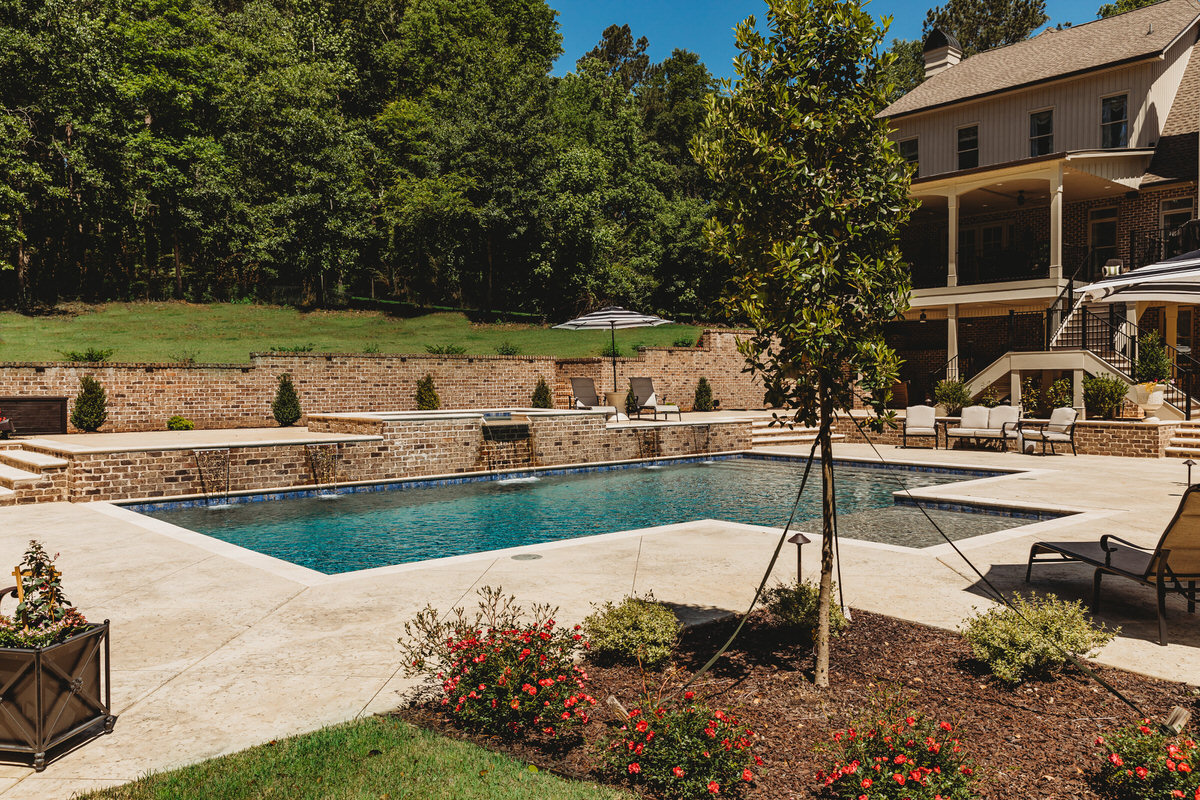

Rising energy costs make pool ownership increasingly expensive for many homeowners. Traditional pool equipment can consume as much electricity as all other home appliances combined, adding hundreds or even thousands of dollars to annual utility bills. The good news? Modern energy-efficient equipment dramatically reduces these costs while minimizing environmental impact. This comprehensive guide explores how upgrading to efficient pool equipment saves money and benefits the planet.
Understanding Pool Energy Consumption
Where Your Pool Uses Energy
Swimming pools consume energy through several systems running throughout the swimming season:
Circulation pumps account for 65-75% of total pool energy use. These motors run 8-12 hours daily to filter water and distribute chemicals, making them the primary target for efficiency improvements.
Heating systems represent 20-30% of energy consumption for pools that maintain warm water. Gas heaters, electric resistance heaters, and heat pumps all carry significant operating costs, though efficiency varies dramatically between types.
Lighting, automation, and accessories comprise the remaining 5-10% of energy use. While individually modest, these systems add up over time, especially older incandescent lighting that wastes energy as heat.
The Cost of Inefficiency
Traditional single-speed pool pumps use approximately 2,500-3,000 kilowatt-hours annually. At national average electricity rates around $0.14 per kWh, this translates to $350-$420 per year just for water circulation. Add heating, lighting, and other features, and total annual pool energy costs easily exceed $800-$1,200.
Inefficient equipment also requires more frequent repairs and shorter replacement cycles, adding maintenance expenses to your ongoing costs.
Variable-Speed Pool Pumps: The Biggest Game-Changer
How Variable-Speed Technology Works
Traditional single-speed pumps operate at one constant speed regardless of actual needs. They run at maximum power whether performing heavy filtration or simply maintaining water circulation. This approach wastes enormous amounts of energy.
Variable-speed pumps use permanent magnet motors similar to hybrid car technology. These motors adjust speed based on current demands, running slower for routine circulation and faster only when needed for intensive filtration or water features. The result is energy savings of 65-90% compared to single-speed models.
Real-World Savings Examples
A typical variable-speed pump uses just 300-750 kWh annually, compared to 2,500-3,000 kWh for traditional models. Using the national average electricity rate, this represents savings of $250-$375 per year. Over the pump’s 10-15 year lifespan, you save $2,500-$5,625 in energy costs.
Many homeowners report their new pumps pay for themselves within 2-3 years through energy savings alone, making this one of the best investments possible for pool owners.
Regulatory Requirements
Many states and local jurisdictions now require variable-speed pumps for new pool installations and equipment replacements. These regulations recognize the significant energy savings and environmental benefits these pumps provide.
Even if not required in your area, upgrading to variable-speed technology makes financial and environmental sense.
Efficient Pool Heating Solutions
Heat Pump Technology
Pool heat pumps extract warmth from ambient air and transfer it to pool water, similar to how air conditioning works in reverse. This process uses 80% less energy than electric resistance heaters and 50% less than gas heaters for similar heating capacity.
Heat pumps work most efficiently when air temperatures exceed 50°F (10°C). For moderate climates, they provide the most cost-effective heating solution available. In colder regions, heat pumps work well for extending swimming seasons in spring and fall, though they may struggle during peak winter.
Key advantages:
- Operating costs 50-80% lower than alternatives
- Long lifespan of 10-15 years with proper maintenance
- Consistent heating performance
- Environmentally friendly with minimal emissions
Solar Pool Heating
Solar heating systems use the sun’s free energy to warm pool water. While initial installation costs are higher than other options, solar systems have virtually no operating costs and can last 15-20 years.
Solar systems work well in sunny climates with adequate roof space or ground area for collector panels. Most systems pay for themselves within 3-7 years through eliminated heating costs.
Considerations:
- Requires significant installation space (200-400 square feet of panels)
- Performance depends on weather and sun exposure
- Best combined with pool covers to retain heat overnight
- Minimal maintenance requirements
Pool Covers: Essential for Any Heating System
Pool covers reduce heat loss by 50-70%, making them essential companions to any heating system. A quality cover prevents overnight temperature drops, reduces evaporation, keeps debris out, and cuts chemical use by blocking sunlight that degrades chlorine.
Automatic covers offer convenience at premium prices ($8,000-$15,000), while manual covers provide similar benefits for just $200-$800. Both options deliver excellent returns on investment through reduced heating and chemical costs.
LED Pool Lighting: Bright Savings
Comparison to Traditional Lighting
Incandescent pool lights consume 300-500 watts and require frequent bulb replacements. LED alternatives use just 20-50 watts for equivalent brightness while lasting 10-15 years before needing replacement. This combination of reduced power consumption and longer lifespan creates substantial savings.
For pools with multiple lights running several hours nightly, annual savings can exceed $100-$200 on lighting alone. Factor in elimination of frequent bulb replacement labor and costs, and LED lighting becomes an obvious choice.
Additional LED Benefits
Beyond energy savings, LED lights offer features impossible with traditional bulbs:
- Color-changing capabilities for ambiance and entertainment
- Dimming options to adjust brightness as needed
- Instant on/off without warm-up time
- Cool operation that reduces heat generation
- Integration with smart home systems
Installation Considerations
Retrofitting LED lights into existing fixtures is possible in many cases, though some older fixtures require complete replacement. Professional installation ensures proper waterproofing and electrical safety, crucial for underwater lighting.
Budget $200-$400 per light for quality LED fixtures professionally installed. This investment pays back within 3-5 years through energy savings and eliminated maintenance.
Efficient Filtration Systems
Cartridge Filters vs. Sand Filters
Traditional sand filters require frequent backwashing that wastes 200-500 gallons of water per cleaning cycle. Performed weekly during swimming season, this adds up to 10,000-25,000 gallons annually—enough to refill a small pool.
Cartridge filters eliminate this waste by using replaceable filter elements that simply rinse clean. They also filter smaller particles (10-15 microns vs. 20-40 microns for sand) for clearer water with less chemical treatment.
Cartridge filter advantages:
- Zero water waste from backwashing
- Better filtration of smaller particles
- Lower pump pressure requirements allowing slower speeds
- Reduced chemical needs due to superior filtration
- Lower ongoing costs (cartridges last 1-3 years)
Cleaning Systems: Robotic vs. Traditional
Suction and pressure-side cleaners rely on pool pumps, requiring pumps to run additional hours daily. These cleaners also stress filtration systems and reduce cleaning effectiveness.
Robotic cleaners operate independently with their own filtration systems. They use just 100-300 watts of power (less than three light bulbs) and clean more thoroughly than pump-dependent alternatives. Most models require just 2-3 hours to completely clean a pool.
While robots cost more initially ($500-$1,500), they save money through reduced pump run time and better cleaning that minimizes chemical needs.
Smart Pool Automation Systems
What Automation Offers
Smart pool controllers integrate all equipment into coordinated systems you manage from smartphones or tablets. These systems optimize operations for maximum efficiency while maintaining water quality and temperature.
Key automation capabilities:
- Scheduling pumps to run during off-peak electricity hours
- Adjusting heating based on weather forecasts
- Monitoring chemical levels and alerting you to imbalances
- Detecting leaks through flow rate monitoring
- Integrating with home energy management systems
Energy Savings Through Optimization
Automation systems identify efficiency opportunities humans might miss. They can detect when filters need cleaning based on pressure readings, adjust pump speeds to minimum effective levels, and coordinate multiple systems to avoid peak demand charges.
Homeowners with full automation typically see additional 15-25% energy savings beyond what individual efficient equipment provides. The system pays for itself within 3-5 years through reduced energy and maintenance costs.
Calculating Your Potential Savings
Energy Audit Process
Understanding your current costs helps quantify potential savings. Follow these steps:
- Review utility bills for the past year to identify pool-related consumption
- Inventory current equipment including model numbers and ages
- Calculate run times for all systems throughout the season
- Identify electricity rates including time-of-use pricing if applicable
Many utility companies offer free or low-cost energy audits specifically for pool systems. These professional assessments provide detailed recommendations tailored to your situation.
ROI Calculator Example
Consider a typical pool with these upgrades:
Variable-speed pump:
- Cost: $1,500
- Annual savings: $300
- Payback period: 5 years
- 15-year net savings: $3,000
LED lighting (4 lights):
- Cost: $1,200
- Annual savings: $150
- Payback period: 8 years
- 15-year net savings: $1,050
Heat pump:
- Cost: $4,000
- Annual savings: $600
- Payback period: 6.7 years
- 15-year net savings: $5,000
Total investment: $6,700 Total annual savings: $1,050 15-year net savings: $9,050
These numbers demonstrate how efficiency improvements create substantial long-term value despite significant upfront costs.
Incentives and Rebates
Utility Company Programs
Many electric and gas utilities offer rebates for energy-efficient pool equipment. Programs vary by location but commonly include:
- $200-$400 rebates for variable-speed pump installations
- $300-$600 rebates for heat pump installations
- $50-$100 rebates per LED light fixture
- Additional incentives for whole-system upgrades
Check your utility company’s website or call their customer service department to learn about available programs. Some require pre-approval before purchase, so investigate before buying equipment.
Tax Credits and Deductions
Federal tax credits periodically become available for renewable energy systems including solar pool heating. State and local incentives may also apply. Consult with tax professionals to maximize available benefits.
Some jurisdictions offer property tax exemptions for solar installations, providing ongoing savings beyond initial tax credits.
Implementation Strategy
Prioritizing Upgrades
Most homeowners can’t afford to replace all equipment simultaneously. Prioritize based on age, condition, and savings potential:
Immediate priorities (if equipment is 8+ years old):
- Variable-speed pump replacement
- LED lighting upgrades
Next phase (within 2-3 years): 3. Heating system upgrade or solar installation 4. Automation system installation 5. Filtration system improvement
Ongoing considerations: 6. Pool cover purchase if you don’t have one 7. Robotic cleaner purchase 8. Smart device integration
Finding Qualified Installers
Proper installation is crucial for realizing promised efficiency gains. Seek contractors with:
- Specific experience installing energy-efficient pool equipment
- Manufacturer certifications for products you’re purchasing
- Strong references from recent similar projects
- Knowledge of available rebates and how to document installations
Maintenance for Continued Efficiency
Protecting Your Investment
New efficient equipment requires proper maintenance to deliver long-term savings:
Variable-speed pumps:
- Keep vents clear of debris
- Check for unusual noises monthly
- Monitor digital displays for error codes
- Schedule professional servicing annually
Heat pumps:
- Clean air intake filters monthly
- Ensure adequate air flow around unit
- Maintain proper refrigerant levels
- Professional inspection before each season
LED lighting:
- Check for moisture in fixtures monthly
- Ensure proper sealing around lenses
- Replace entire fixtures rather than attempting repairs
Automation systems:
- Update software/firmware as released
- Verify sensor calibration quarterly
- Replace batteries in wireless devices as needed
Monitoring Performance
Track energy consumption after upgrades to verify expected savings. Most utilities offer online tools showing daily or hourly usage. Comparing consumption before and after upgrades confirms your improvements are working properly.
Unexpected increases in consumption may indicate equipment problems requiring attention. Early detection prevents minor issues from becoming expensive failures.
Environmental Impact Beyond the Savings
Reduced Carbon Footprint
Energy-efficient pool equipment dramatically reduces your carbon footprint. A variable-speed pump alone can eliminate 1-2 tons of carbon dioxide emissions annually—equivalent to planting 50-100 trees.
For environmentally conscious homeowners, these improvements align personal comfort with planetary responsibility. You enjoy your pool while minimizing environmental impact.
Water Conservation
Efficient equipment often reduces water consumption alongside energy use. Cartridge filters eliminate backwash waste, pool covers prevent evaporation, and leak detection systems identify problems before major water loss occurs.
In water-scarce regions, these benefits can be as valuable as energy savings.
Conclusion
Energy-efficient pool equipment represents one of the smartest investments pool owners can make. While initial costs seem substantial, long-term savings far exceed the investment. You’ll enjoy lower utility bills, reduced maintenance costs, and the satisfaction of minimizing environmental impact.
January is the perfect time to plan equipment upgrades for completion before swimming season. You’ll maximize the savings period and enjoy improved performance all summer.
Mid State Pools specializes in energy-efficient equipment installation and can help you create a comprehensive upgrade plan tailored to your budget and goals. Our team stays current with the latest technology and rebate programs, ensuring you maximize your investment.

