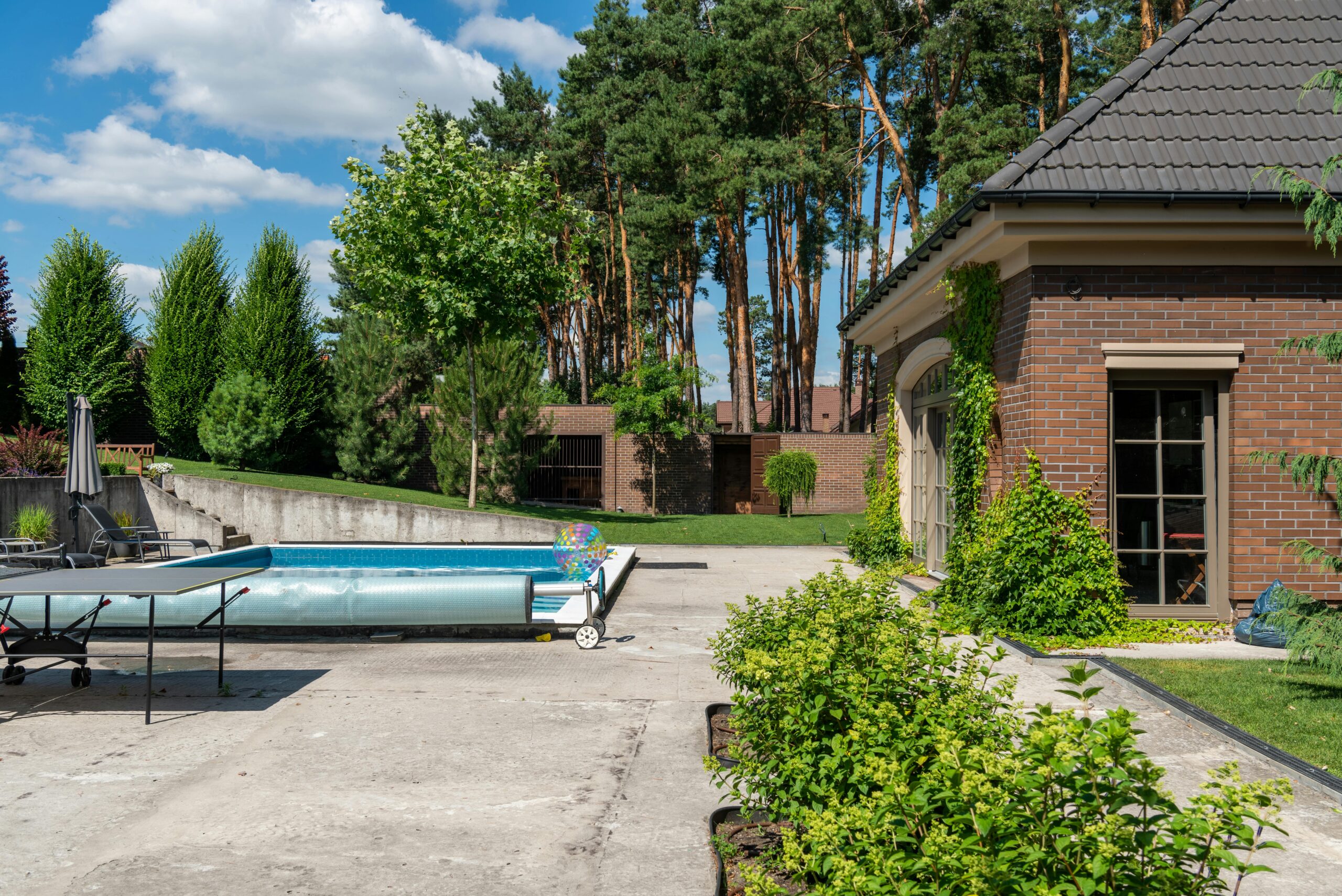

November in Warner Robins means it’s time to winterize your pool – or is it? Unlike northern states where pools must close by September, Georgia’s mild winters give us options. Some families fully winterize, others keep pools running on reduced schedules, and some even swim year-round with heaters.
Here’s everything you need to know about pool winterization in Middle Georgia, including when to do it, how to do it right, and whether you should bother at all.
Should You Winterize Your Warner Robins Pool?
Full Winterization Makes Sense If:
- You definitely won’t swim November through March
- You want to minimize winter maintenance time
- You want to reduce winter operating costs
- Your pool doesn’t have a heater
Keeping Your Pool Running Makes Sense If:
- You have a pool heater and might swim in winter
- You don’t mind basic weekly maintenance
- You want to avoid the spring opening hassle
- You enjoy an occasional warm-day swim
Our Take: Most Warner Robins families do a modified winterization – reduced equipment operation and minimal maintenance rather than full closing. But if you’re definitely done swimming until spring, full winterization protects your investment and saves money.
The Complete Winterization Checklist
3-4 Weeks Before Closing:
Balance Water Chemistry Perfectly This is the most important step that many people rush or skip.
Target levels:
- pH: 7.2-7.6
- Alkalinity: 80-120 ppm
- Calcium hardness: 175-225 ppm
- Chlorine: 1-3 ppm
Why this matters: Improperly balanced water causes staining, scale buildup, and algae growth that’s extremely difficult (and expensive) to fix in spring.
Deep Clean Everything
- Vacuum the entire pool thoroughly
- Brush all walls and floor
- Clean tile and waterline completely
- Backwash or clean filter
- Empty skimmer and pump baskets
Any dirt or algae left behind multiplies over winter, even in cold water. You want the cleanest possible water going into winter.
1-2 Weeks Before Closing:
Add Winter Closing Chemicals These specialized chemicals are different from your regular pool chemicals:
- Algaecide (winter formula designed for cold water)
- Pool shock treatment
- Stain and scale preventer
- Enzyme treatment (breaks down organic matter)
Don’t skip these or substitute regular chemicals. Winter formulas are specifically designed for long-term effectiveness in cold, stagnant water.
Closing Week:
Lower Water Level
- Lower water 4-6 inches below skimmer opening
- Never drain completely (this can damage pool structure)
- Use a submersible pump if needed
Drain and Winterize Equipment This is where many DIY winterizations fail. Water left in equipment can freeze and cause expensive damage.
- Remove drain plugs from pump, filter, and heater
- Blow out all plumbing lines with a shop vac or air compressor
- Add pool antifreeze to lines if you’re not confident all water is removed
- Remove and store pump baskets and other removable parts
- Clean and store automatic pool cleaner
- Remove and store ladder, diving board, or other accessories
Protect Your Filter
- Sand filters: Backwash, drain, and remove drain plug
- Cartridge filters: Remove cartridges, clean thoroughly, and store indoors
- DE filters: Backwash, drain, and remove grids for indoor storage
Install Winter Cover Your cover is your pool’s protection for the next 4-5 months:
- Clean pool one final time before covering
- Install cover tight and secure
- Use cover clips or water bags (never use bricks or concrete blocks)
- Ensure proper drainage to prevent water accumulation
- Check for tears or damage – replace if necessary
Georgia-Specific Winter Considerations
Our Winters Are Mild, But… Warner Robins typically sees:
- Average winter temperatures: 40-60°F
- Occasional dips below freezing (usually brief)
- Rare hard freezes below 25°F
These conditions mean:
- Ice formation is possible but uncommon
- Algae growth slows but doesn’t stop completely
- Equipment is at risk during cold snaps if not properly winterized
The Freeze Risk Even one night below 32°F can crack improperly winterized equipment. A single broken pump housing costs more than professional winterization service.
Common Winterization Mistakes
Mistake #1: Waiting Too Long Don’t wait for a freeze warning to winterize. Once temperatures drop suddenly, it’s too late to protect equipment properly.
Mistake #2: Improper Chemical Balance Throwing in some shock and calling it done doesn’t work. Follow the complete chemical winterization process or pay for it in spring.
Mistake #3: Incomplete Equipment Draining “I think I got all the water out” isn’t good enough. Use an air compressor or shop vac to ensure lines are completely clear.
Mistake #4: Cheap or Damaged Covers A torn cover is worse than no cover. Water, leaves, and debris accumulate in tears, creating maintenance nightmares.
Mistake #5: Forgetting About Your Pool All Winter Even winterized pools need monthly checks. We’ll cover winter maintenance in a moment.
Winter Pool Maintenance (Even When Closed)
Monthly Checks:
- Inspect cover for damage, debris, or standing water
- Remove leaves and debris from cover
- Pump off excess water from cover (but maintain some weight)
- Check that cover is secure and properly positioned
After Heavy Rain or Ice:
- Remove excessive water weight from cover
- Check for cover damage from ice or heavy debris
- Ensure cover clips/bags are still secure
Early Spring (Late February/March):
- Check water clarity under cover
- Test chemical levels if opening soon
- Look for any visible issues before opening
The Modified Winterization Alternative
Many Warner Robins families choose modified winterization:
Keep Equipment Running:
- Reduce pump operation to 4-6 hours daily
- Lower temperature if you have a heater
- Continue weekly basic maintenance
- Maintain normal chemical balance
Benefits:
- No spring opening hassle
- Pool ready for surprise warm days
- Easier water quality maintenance
- Equipment runs periodically, preventing freeze-ups
Drawbacks:
- Higher winter utility costs
- Weekly maintenance time required
- Chemical costs continue
Professional vs. DIY Winterization
DIY Winterization: Plan on 4-6 hours of work spread over several weeks. You’ll need:
- Winter closing chemical kit
- Air compressor or shop vac
- Submersible pump (for lowering water level)
- Winter cover (if you don’t have one)
- Time and physical ability to do the work
Professional Winterization: Our service includes:
- Complete chemical balancing for winter
- Thorough cleaning and vacuuming
- Proper equipment winterization (guaranteed)
- Water level adjustment
- Professional cover installation
- Peace of mind guarantee
The Math: DIY costs less upfront but requires your time and knowledge. One mistake can cost significantly more than professional service.
Spring Opening Considerations
Proper winterization makes spring opening dramatically easier:
- Clear water instead of green swamp
- No staining or scale buildup
- Equipment ready to restart
- Swimming-ready in days, not weeks
- Lower chemical costs to rebalance water
Poor winterization means:
- Extensive cleaning required
- Possible equipment repairs
- Heavy chemical treatment needed
- Potential staining issues
- Weeks of work before swimming
Schedule Your Professional Winterization
Our schedule fills quickly in November as families prepare for winter. Don’t wait until December when we’re fully booked.
Professional Pool Winterization Service: Call tel:+14789537300 to schedule your appointment.
DIY Winterization Supplies: Visit our showroom at 540 S. Houston Lake Road for winter closing chemical kits, covers, and expert advice.

