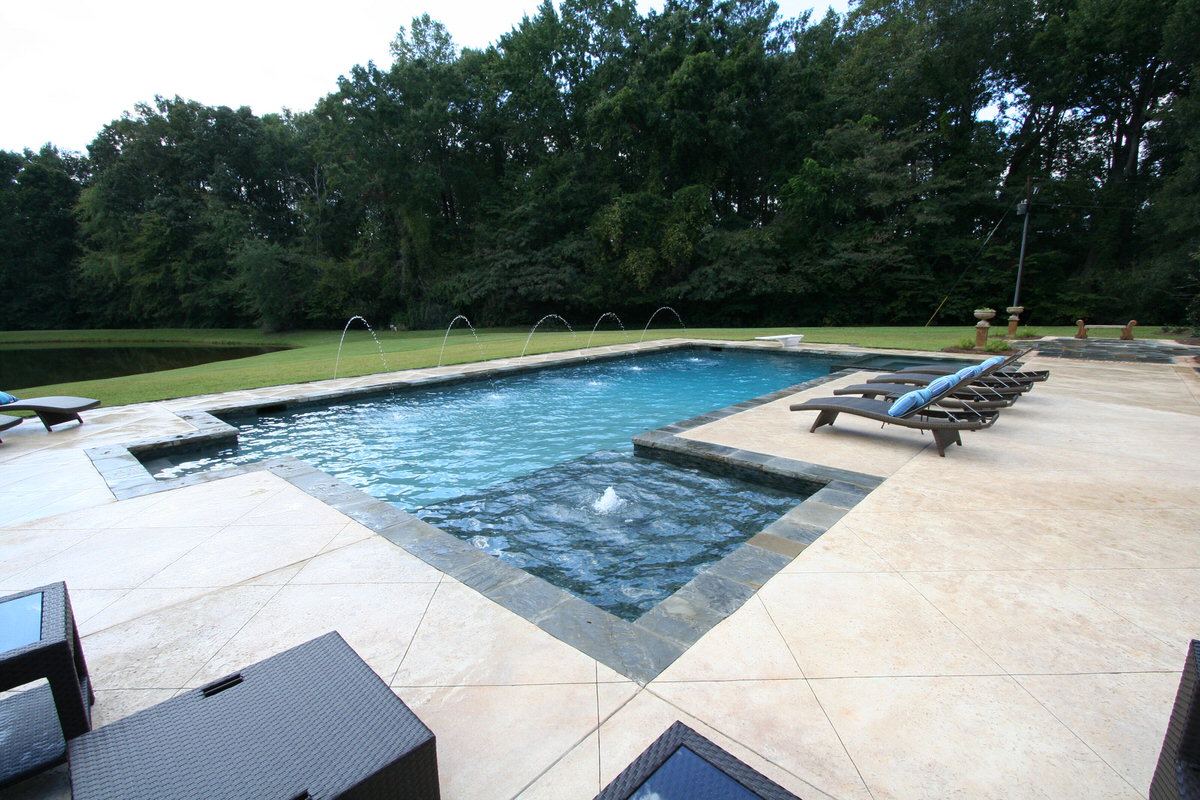

Crystal clear, perfectly balanced pool water doesn’t happen by accident. Behind every inviting pool lies careful attention to water chemistry—the science of maintaining safe, comfortable swimming conditions. While pool chemistry might seem intimidating at first, understanding a few fundamental principles makes pool maintenance straightforward and manageable.
This comprehensive guide breaks down pool chemistry into simple, actionable concepts that any pool owner can master. You’ll learn exactly what each chemical does, why it matters, and how to maintain perfect balance throughout the swimming season.
Why Pool Chemistry Matters
Health and Safety
Properly balanced water protects swimmers from harmful bacteria, viruses, and parasites. Chlorine and other sanitizers eliminate pathogens that cause illness, but they only work effectively within specific pH ranges. Imbalanced chemistry can lead to recreational water illnesses affecting thousands of swimmers annually.
Beyond sanitation, balanced chemistry prevents eye irritation, skin problems, and respiratory issues commonly blamed on “too much chlorine.” Ironically, these symptoms typically indicate insufficient chlorine or incorrect pH—not chlorine overuse.
Equipment Protection
Water chemistry directly impacts your pool equipment’s lifespan. Acidic water corrodes metal components, etches plaster surfaces, and damages seals. Alkaline water creates scale buildup that clogs pipes, coats heating elements, and ruins pump motors.
Proper chemistry protects your investment, potentially saving thousands in premature equipment replacement and surface repairs.
Water Clarity and Comfort
Balanced chemistry creates sparkling clear water that invites swimming. Proper levels eliminate cloudiness, prevent algae growth, and maintain the inviting blue appearance everyone associates with clean pools. Swimming in balanced water feels comfortable—no stinging eyes, dry skin, or chemical odors.
The Essential Chemical Parameters
pH: The Foundation of Water Balance
Understanding pH
pH measures water’s acidity or alkalinity on a scale from 0 to 14. A pH of 7.0 is neutral, below 7.0 is acidic, and above 7.0 is alkaline (also called basic). Pool water should maintain pH between 7.2 and 7.8, with 7.4-7.6 being ideal.
This narrow range is crucial because:
- Chlorine effectiveness drops dramatically outside this range
- Low pH corrodes equipment and irritates swimmers
- High pH causes scale formation and cloudy water
- Human tears have a pH around 7.4, making balanced water comfortable for eyes
What Affects pH
Multiple factors constantly push pH up or down:
pH increasers: Rain, new fill water, certain chemicals, body oils and cosmetics
pH decreasers: Chlorine addition, acidic debris, leaves and organic matter, certain algaecides
Managing pH Levels
Test pH at least twice weekly during swimming season. Adjust using:
pH decreaser (sodium bisulfate or muriatic acid): Lowers pH when it rises above 7.8. Add small amounts, wait 2-4 hours, retest, and adjust again if needed. Never add more than 1 pound per 10,000 gallons at once.
pH increaser (sodium carbonate or soda ash): Raises pH when it drops below 7.2. Dissolve in bucket of water before adding to pool. Distribute around perimeter for even mixing.
Total Alkalinity: The pH Buffer
Why Alkalinity Matters
Total alkalinity measures water’s ability to resist pH changes. Think of alkalinity as pH’s shock absorber. High alkalinity prevents pH from dropping suddenly, while appropriate levels keep pH stable despite environmental factors.
Target range: 80-120 ppm (parts per million)
The pH-Alkalinity Relationship
Always adjust alkalinity before adjusting pH. Changing alkalinity affects pH, but the reverse isn’t true. This sequence prevents endless cycles of adjusting one parameter only to throw the other out of balance.
Adjusting Alkalinity
To raise alkalinity: Add sodium bicarbonate (baking soda). Use approximately 1.5 pounds per 10,000 gallons to raise alkalinity by 10 ppm.
To lower alkalinity: Add muriatic acid or sodium bisulfate. This also lowers pH, so you’ll need to raise pH afterward. The process requires patience—lower alkalinity slowly over several days.
Chlorine: Primary Sanitizer
How Chlorine Works
Chlorine kills bacteria, viruses, and algae through oxidation. When added to water, chlorine forms hypochlorous acid (HOCl)—the active sanitizing compound. HOCl penetrates microorganism cell walls, destroying internal structures and preventing reproduction.
Types of Chlorine
Tablets (trichlor): Slow-dissolving tablets dispensed through floaters or automatic feeders. Contain cyanuric acid (stabilizer) and have low pH (around 3). Most convenient for routine maintenance.
Granular chlorine (dichlor): Fast-dissolving granules for quick chlorine boosts. Also contain stabilizer. Useful for shock treatments and rapid sanitization.
Liquid chlorine (sodium hypochlorite): Immediate sanitization without adding stabilizer. No pH drop unlike tablets. Most economical option but requires frequent addition.
Cal-hypo (calcium hypochlorite): Powerful shock treatment. Adds calcium to water, which may cause problems in hard water areas. Very effective for clearing cloudy water or algae blooms.
Chlorine Level Targets
Maintain free chlorine between 1-3 ppm for most pools. Outdoor pools need slightly higher levels (2-4 ppm) due to chlorine degradation from sunlight.
Test chlorine daily during heavy use, every other day during light use.
Cyanuric Acid: Chlorine Stabilizer
The Sunscreen for Chlorine
Sunlight rapidly destroys chlorine molecules—unstabilized chlorine dissipates within 2 hours of sun exposure. Cyanuric acid (CYA) shields chlorine from UV degradation, allowing it to remain effective much longer.
Optimal Stabilizer Levels
Target range: 30-50 ppm
- Below 30 ppm: Chlorine burns off too quickly, requiring excessive additions
- Above 50 ppm: Chlorine becomes “locked up” and less effective (chlorine lock)
- Above 100 ppm: Consider partial water replacement
Managing Stabilizer
Most chlorine tablets contain CYA, which accumulates over time. If levels exceed 80 ppm, partially drain and refill your pool (25-50% water replacement typically corrects the problem).
Add stabilizer early in the season if using liquid chlorine or salt systems, which don’t contain CYA.
Calcium Hardness: Preventing Damage
Understanding Hardness
Calcium hardness measures dissolved calcium in water. Proper levels prevent water from leaching calcium from pool surfaces (etching) or depositing excess calcium (scaling).
Target range: 200-400 ppm
Effects of Imbalanced Calcium
Too low (soft water): Corrodes metal, etches plaster, damages grouting, creates rough surfaces
Too high (hard water): Creates white scale on tiles and surfaces, clouds water, reduces heater efficiency, clogs filters
Adjusting Calcium Hardness
To raise: Add calcium chloride. One pound per 10,000 gallons raises hardness by approximately 10 ppm.
To lower: Partially drain and refill with softer water. No chemicals effectively lower calcium hardness.
Shock Treatments: Deep Cleaning Your Water
Why Shock?
“Shocking” means adding large chlorine doses to oxidize organic contaminants and combined chlorine (chloramines). Regular sanitization can’t eliminate accumulated waste from swimmers, sunscreen, cosmetics, and environmental debris. Periodic shocking deep-cleans water and restores chlorine effectiveness.
When to Shock
Shock your pool:
- Weekly during heavy use
- Every two weeks during moderate use
- After heavy rainstorms
- After pool parties or high bather loads
- When water appears cloudy
- When you smell strong chlorine odors (actually chloramines, not free chlorine)
- When combined chlorine exceeds 0.5 ppm
How to Shock Properly
- Test and balance pH before shocking (target 7.4)
- Calculate appropriate shock dosage (typically 1 pound per 10,000 gallons)
- Shock in evening to prevent sunlight degradation
- Distribute shock around pool perimeter
- Run filter continuously for 8-12 hours
- Retest chlorine levels before swimming (should drop below 5 ppm)
Testing Your Water
Testing Frequency
Minimum testing schedule:
- pH and chlorine: 2-3 times per week
- Total alkalinity: Weekly
- Calcium hardness: Monthly
- Cyanuric acid: Monthly
- Metals (if using well water): Monthly
Testing Methods
Test strips: Convenient and quick, but less accurate. Good for routine monitoring. Replace annually as strips degrade.
Liquid test kits: More accurate than strips. Drop-count titration provides precise readings. Reagents last 1-2 years if stored properly.
Digital testers: Expensive but highly accurate. Best for serious pool owners or professionals. Regular calibration required.
Professional testing: Take water samples to pool stores monthly for comprehensive analysis. Most stores offer free testing with detailed printouts.
Proper Testing Technique
Accurate testing requires proper procedure:
- Collect water sample 12-18 inches below surface, away from returns
- Test immediately or within 2 hours
- Follow kit instructions precisely
- Hold test strips still (don’t shake)
- Compare colors in good lighting
- Record results to track trends
Common Water Problems and Solutions
Cloudy Water
Causes: Poor filtration, high pH, low chlorine, high calcium hardness, algae beginning to grow
Solutions:
- Test and balance all parameters
- Clean or backwash filter
- Shock treatment
- Run filter 24 hours continuously
- Use clarifier if problems persist
- Consider flocculent for severe cloudiness
Green Water (Algae)
Causes: Insufficient chlorine, high pH, poor circulation, warm water temperatures
Solutions:
- Brush all surfaces vigorously
- Add algaecide
- Shock with triple dose chlorine
- Run filter continuously
- Vacuum to waste (don’t recirculate)
- Clean filter frequently
- Repeat shock treatment daily until clear
Strong Chlorine Smell
Reality check: Strong chlorine odor doesn’t mean too much chlorine—it indicates too little free chlorine and presence of chloramines (combined chlorine).
Solutions:
- Test chlorine levels (free and combined)
- Shock treatment to break chlorine lock
- Increase regular chlorine levels
- Improve circulation
Staining
Metal stains: Brown (iron), green-blue (copper), black (manganese) Organic stains: Green, brown from leaves and debris
Solutions:
- Identify stain type (metal vs. organic)
- Use metal sequestrant for metal stains
- Shock treatment for organic stains
- Brush affected areas
- Adjust pH to prevent recurring stains
- Consider source water if stains return frequently
Seasonal Chemistry Adjustments
Spring Opening Chemistry
When opening your pool:
- Remove debris before adding chemicals
- Test all parameters
- Adjust alkalinity first
- Adjust pH
- Shock heavily (double dose)
- Add algaecide
- Run filter continuously for 48 hours
- Retest and fine-tune
Summer Maintenance
Peak season challenges:
- Higher temperatures increase evaporation and chemical consumption
- Heavy bather loads introduce more contaminants
- Intense sunlight degrades chlorine faster
Increase testing frequency and chlorine additions. Consider automatic chlorinators for consistent sanitization.
Winterizing Chemistry
Before closing:
- Balance all parameters
- Shock treatment
- Add winter algaecide
- Add winter floater with chlorine
- Don’t completely drain—maintain proper water level
Alternative Sanitization Systems
Salt Water Systems
Salt chlorine generators create chlorine from salt through electrolysis. Benefits include softer-feeling water and reduced chemical handling. However, you still need to monitor and balance pH, alkalinity, and other parameters. Salt systems aren’t maintenance-free alternatives.
UV and Ozone Systems
These systems supplement chlorine sanitization. UV light and ozone destroy contaminants, allowing reduced chlorine levels. However, both require chlorine residual for complete protection. They’re enhancements, not chlorine replacements.
Mineral Systems
Mineral cartridges release copper and silver ions that provide supplementary sanitization. They reduce required chlorine by 50-70% but can’t completely replace it.
Record Keeping and Trending
Why Track Chemistry
Maintaining detailed records helps you:
- Identify recurring problems
- Predict chemical needs
- Understand seasonal patterns
- Communicate effectively with pool professionals
- Troubleshoot issues efficiently
What to Record
Track these items in a pool maintenance log:
- Date and time of testing
- All parameter readings
- Chemicals added (type and amount)
- Weather conditions
- Pool usage (light, moderate, heavy)
- Equipment issues
- Visible water conditions
Digital apps make tracking easy, or use simple paper logs.
Money-Saving Chemistry Tips
Buy in Bulk
Purchase chemicals at season start when prices are lowest. Buying larger containers costs less per pound than small packages. Store properly to maintain effectiveness.
Generic vs. Brand Name
Most pool chemicals are commodity products. Generic sodium hypochlorite works identically to name brands. Focus on active ingredient percentages rather than marketing.
Preventive Maintenance
Consistent chemistry costs less than correcting major problems. Regular testing and small adjustments prevent expensive shock treatments, algae battles, and equipment damage.
Efficient Chemical Use
- Test before adding chemicals
- Add chemicals in correct order
- Dilute chemicals before adding
- Don’t overdose—more isn’t better
- Pre-dissolve granular chemicals
- Add chemicals in deep end away from returns
Safety Considerations
Chemical Storage
Store pool chemicals:
- In original containers with labels
- In cool, dry location
- Away from other chemicals
- Out of reach of children and pets
- Never in direct sunlight
- Above ground level to prevent flooding
Chemical Handling
Safety practices:
- Wear protective equipment (gloves, goggles)
- Never mix different chemicals together
- Add chemicals to water, never water to chemicals
- Use dedicated measuring cups
- Wash hands after handling
- Keep chemicals away from pool equipment
Emergency Preparedness
Keep readily available:
- First aid kit
- Emergency contact numbers
- Poison control information (1-800-222-1222)
- Material safety data sheets (MSDS) for all chemicals
When to Call Professionals
Consider professional help for:
- Persistent chemistry problems despite proper procedures
- Green or black algae that won’t clear
- Stains that don’t respond to treatments
- Major parameter imbalances
- Water that repeatedly goes cloudy
- Unusual odors or appearances
Professional pool services can perform comprehensive water analysis and recommend specific treatments for stubborn problems.
Conclusion
Pool chemistry mastery transforms pool ownership from frustrating to enjoyable. While the science might seem complex initially, consistent testing and adjustment become second nature with practice. Understanding these fundamental principles gives you confidence to maintain beautiful, safe water throughout the swimming season.
The key to success is consistency. Regular testing, prompt adjustments, and detailed record-keeping create water quality that makes your pool the neighborhood’s favorite gathering place. Start this season with renewed commitment to proper chemistry, and you’ll enjoy the clearest, most inviting water your pool has ever had.
Mid State Pools offers water testing services, chemistry consultations, and complete pool chemistry management programs. Whether you need help troubleshooting a specific problem or prefer comprehensive service, our certified pool operators deliver expert solutions.
Need help with pool chemistry? Contact Mid State Pools today for professional water testing and analysis. Our team will test your water, explain the results, and provide specific recommendations for achieving perfect balance. We also offer complete chemistry maintenance programs that eliminate the guesswork. Call (478) 953-7300 to schedule your water analysis.
