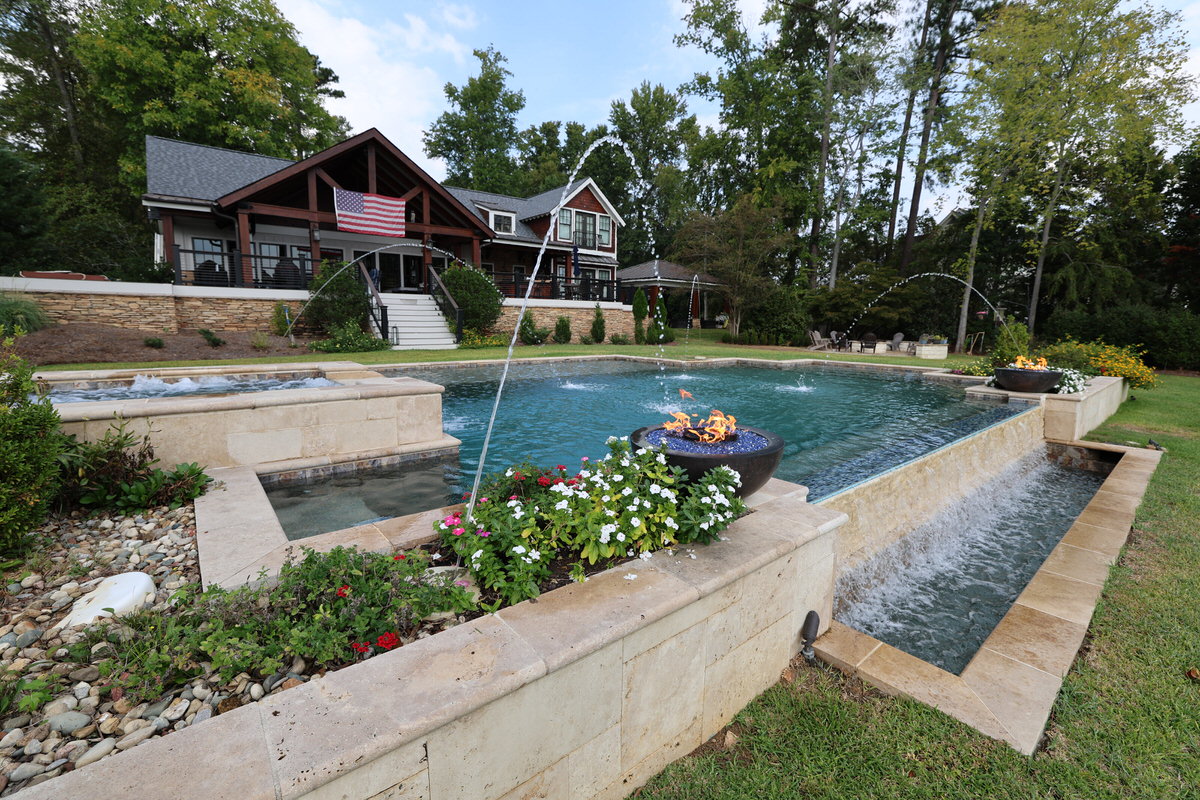

Your pool deck serves as the foundation for outdoor living and entertainment. More than just a walking surface, the right deck enhances safety, defines your backyard’s aesthetic, and significantly impacts your pool’s functionality. With numerous material options and design possibilities, selecting the perfect pool deck requires careful consideration of climate, budget, maintenance, and personal style.
This comprehensive guide explores the most popular pool decking materials for 2026, helping you make informed decisions that balance beauty, practicality, and long-term value.
Why Your Pool Deck Choice Matters
Safety First
Pool decks must provide slip-resistant surfaces even when wet. Inadequate texture creates serious injury risks, while proper materials protect swimmers exiting the pool. Surface temperature also impacts safety—materials that become dangerously hot limit usability during peak summer months.
Functionality and Comfort
Your deck defines how you’ll use your outdoor space. Adequate surface area accommodates furniture, entertaining, and traffic flow. Comfortable surfaces encourage bare feet, while hot or rough materials drive people indoors. Durability ensures your investment withstands years of weather, chemicals, and heavy use.
Aesthetic Impact
Pool decks dramatically influence your backyard’s appearance. The right material choice complements your home’s architecture, coordinates with landscaping, and creates the ambiance you desire—whether resort luxury, modern minimalism, or natural integration.
Property Value
Quality pool decks increase property value and buyer appeal. Dated, damaged, or poorly chosen decking detracts from your pool’s value. Smart material selection provides excellent return on investment when you eventually sell.
Popular Pool Decking Materials
Concrete: Versatile and Affordable
Standard Concrete
Traditional poured concrete remains the most economical decking option. Modern concrete offers extensive customization through colors, textures, and finishes. Properly installed concrete lasts 25+ years with minimal maintenance.
Advantages:
- Lowest upfront cost ($6-$12 per square foot)
- Extremely durable and long-lasting
- Customizable through coloring and texturing
- Widely available contractors
- Can be refinished or resurfaced
Disadvantages:
- Can become very hot in direct sun
- May crack over time, especially in freeze-thaw climates
- Basic appearance without customization
- Requires sealing every 2-3 years
Stamped Concrete
Stamped concrete mimics expensive materials like stone, brick, or wood at a fraction of the cost. Contractors stamp patterns into wet concrete and add integral color or stains for realistic appearances.
Advantages:
- Looks like premium materials (stone, slate, brick)
- Costs less than actual stone or pavers ($12-$18 per square foot)
- Virtually unlimited design options
- Seamless surface (no weeds between pavers)
- Lower maintenance than authentic materials
Disadvantages:
- More expensive than basic concrete
- Requires resealing every 2-3 years
- Colors fade over time requiring renewal
- Difficult to repair if damaged
- Can look artificial if poorly executed
Spray Deck/Cool Deck
Specialized concrete coatings create textured, cooler surfaces. These systems apply over existing concrete or new installations, providing improved comfort and appearance.
Advantages:
- Stays 30-40% cooler than standard concrete
- Slip-resistant texture
- Hides existing concrete imperfections
- Multiple color options
- Cost-effective upgrade ($3-$6 per sq ft for coating)
Disadvantages:
- Coating can peel or crack over time
- Requires professional application
- Not as permanent as other solutions
- May need recoating every 8-10 years
Pavers: Premium Durability
Concrete Pavers
Manufactured concrete pavers offer exceptional durability and design flexibility. Individual units interlock for stable surfaces that resist cracking and allow easy repairs.
Advantages:
- Highly durable (20-30+ year lifespan)
- Individual unit replacement if damaged
- Non-slip surfaces
- Thousands of colors, shapes, and patterns
- Resistant to salt and pool chemicals
- Cost-effective premium option ($15-$25 per sq ft)
Disadvantages:
- Higher cost than poured concrete
- Weeds can grow between pavers
- Require occasional re-leveling
- More complex installation
- May shift if base preparation inadequate
Natural Stone Pavers
Travertine, limestone, sandstone, and slate create stunning natural appearances. Stone pavers offer unique beauty with no two pieces identical.
Advantages:
- Premium appearance and texture
- Naturally cool (especially travertine)
- Extremely durable
- Increases property value significantly
- Timeless aesthetic appeal
- Slip-resistant when properly finished
Disadvantages:
- Highest material costs ($20-$50+ per sq ft)
- Requires professional installation
- Some stones need regular sealing
- Porous stones may stain
- Can be damaged by harsh pool chemicals
Travertine deserves special mention as the most popular natural stone for pools. This limestone naturally stays cool and provides excellent traction. Its unique patterns and earth tones create Mediterranean-inspired elegance.
Wood and Composite Decking
Natural Wood
Wood creates warm, natural aesthetics perfect for certain architectural styles. Tropical hardwoods like ipe and teak offer excellent durability, while cedar and redwood provide more affordable options.
Advantages:
- Beautiful natural appearance
- Comfortable underfoot
- Stays relatively cool
- Can be refinished/restained
- Works well with contemporary and natural designs
Disadvantages:
- Requires significant maintenance (staining, sealing)
- Susceptible to rot, splintering, warping
- Slippery when wet without proper treatment
- Expensive ($15-$35+ per sq ft for quality woods)
- Shorter lifespan than masonry options
Composite Decking
Synthetic lumber made from recycled materials and plastics provides wood’s appearance without extensive maintenance.
Advantages:
- Low maintenance (no staining/sealing)
- Resists rot, insects, and decay
- Multiple colors and wood-grain textures
- Splinter-free surface
- Long warranties (25+ years)
- Good environmental choice
Disadvantages:
- Can become quite hot in direct sun
- Higher upfront cost than natural wood
- May fade over time
- Some products are slippery when wet
- Can expand/contract with temperature changes
Brick: Classic Charm
Traditional brick pavers create timeless appearances with excellent durability. Clay brick weathers beautifully and provides natural slip resistance.
Advantages:
- Classic, traditional appearance
- Very durable (50+ years)
- Low maintenance
- Non-slip surface texture
- Color won’t fade
- Moderate cost ($12-$20 per sq ft)
Disadvantages:
- Limited color palette (reds, browns)
- Can absorb stains
- May crack in extreme freeze-thaw cycles
- Efflorescence (white salt deposits) possible
- Requires proper base preparation
Stone Veneer and Tiles
Porcelain Pavers
Modern porcelain pavers designed for outdoor use offer premium appearance with excellent technical properties.
Advantages:
- Realistic stone/wood appearances
- Extremely durable and stain-resistant
- Won’t fade or discolor
- Low water absorption
- Minimal maintenance
- Available in large formats
Disadvantages:
- Professional installation required
- Can crack if improperly supported
- May be slippery when wet (check rating)
- Higher cost ($18-$35 per sq ft)
Rubber Surfacing
Poured rubber or rubber pavers provide unique benefits for specific applications, especially for families with young children.
Advantages:
- Softest, most forgiving surface
- Excellent slip resistance
- Comfortable for bare feet
- Cool surface temperatures
- Great for play areas
- ADA compliant options
Disadvantages:
- May not suit all aesthetic preferences
- Shorter lifespan than masonry (10-15 years)
- Can retain heat in some formulations
- Limited color selection
- Professional installation recommended
Design Considerations
Size and Layout
Adequate Space
Plan for generous deck area—most families underestimate needed space. Allow:
- 4-5 feet minimum around entire pool perimeter
- 8-10 feet for main gathering/furniture areas
- 12-15 feet for entertaining spaces
- Dedicated zones for different activities
Traffic Flow
Design pathways that:
- Connect house to pool naturally
- Avoid bottlenecks at stairs or gates
- Separate wet and dry zones
- Accommodate furniture without blocking circulation
Texture and Slip Resistance
All pool decks must provide adequate slip resistance when wet. Ensure your chosen material has appropriate texture or finish. Look for:
- Brushed finishes on concrete
- Tumbled or textured pavers
- Natural stone with non-slip treatments
- Adequate aggregate in spray deck coatings
Avoid polished, smooth finishes in walking areas regardless of how attractive they appear.
Heat Reflection
Light-colored materials stay significantly cooler than dark options. Consider:
- Travertine and light limestone (coolest options)
- Light-colored concrete and pavers
- Textured surfaces (dissipate heat better than smooth)
- Shade structures over high-traffic areas
Dark colors become unbearably hot in direct summer sun, limiting deck usability during peak swimming hours.
Drainage
Proper drainage prevents standing water that creates safety hazards and damages deck materials. Design requires:
- Minimum 1/4 inch per foot slope away from pool
- Proper grading directing water away from structures
- Drainage channels or catch basins in low areas
- Permeable materials allowing water infiltration
Integration with Landscape
Your deck should transition naturally into surrounding landscape:
- Coordinate colors with house and hardscaping
- Create planting beds that soften edges
- Use complementary materials for pathways and patios
- Consider views from inside house
- Plan lighting for nighttime ambiance
Installation Considerations
Professional vs. DIY
DIY-Friendly Projects:
- Simple paver installation on sand base
- Basic concrete pours for small areas
- Rubber tile installation
Require Professional Installation:
- Large concrete pours with custom finishes
- Stone veneer and natural stone
- Complex paver patterns
- Any project requiring structural support
- Drainage system integration
Base Preparation
Proper base preparation determines your deck’s longevity:
- Excavation: Remove soil to proper depth (varies by material)
- Grading: Establish proper slope for drainage
- Base material: Compacted gravel or crushed stone (4-6 inches)
- Leveling layer: Sand or stone dust (1-2 inches for pavers)
- Edge restraints: Prevent paver spreading
Cutting corners on base preparation causes premature failure regardless of surface material quality.
Code Compliance and Permits
Check local requirements for:
- Building permits for deck construction
- Setback requirements from property lines
- Drainage regulations
- Accessibility requirements
- Pool barrier codes
Professional contractors should handle permits as part of their service.
Maintenance Requirements
Sealing and Protection
Materials requiring regular sealing:
- Concrete (every 2-3 years)
- Porous natural stone (annually or biannually)
- Wood (annually)
- Brick (every 3-5 years)
Low-maintenance options:
- Porcelain pavers
- Composite decking
- Manufactured concrete pavers
Cleaning
Regular cleaning maintains appearance and prevents staining:
- Sweep or blow debris weekly
- Pressure wash annually
- Address spills promptly
- Remove organic stains quickly
- Use appropriate cleaners for material type
Repairs
Budget for occasional maintenance:
- Concrete crack filling and resurfacing
- Paver re-leveling or replacement
- Wood board replacement
- Resealing and recoating
Cost Comparison
Material Costs (Installed, per square foot)
Budget Options:
- Basic concrete: $6-$12
- Spray deck coating: $8-$15
Mid-Range Options:
- Stamped concrete: $12-$18
- Concrete pavers: $15-$25
- Brick pavers: $12-$20
- Composite decking: $20-$30
Premium Options:
- Natural stone pavers: $20-$50+
- Porcelain pavers: $18-$35
- Hardwood decking: $15-$35
Remember that installation costs often equal or exceed material costs. Get detailed quotes including base preparation, materials, labor, and finishing.
Long-Term Value
Consider lifetime costs beyond installation:
- Maintenance and cleaning supplies
- Periodic resealing or refinishing
- Repair expenses
- Replacement timeline
Durable materials with low maintenance provide better long-term value despite higher upfront costs.
Current Trends for 2026
Popular Design Directions
Seamless indoor-outdoor transitions: Large-format pavers matching interior flooring create continuous flow from house to pool.
Mixed materials: Combining different materials (stone with wood accents, concrete with paver borders) adds visual interest.
Natural aesthetics: Organic shapes, earth tones, and natural stone create resort-like environments.
Bold patterns: Geometric designs and contrasting colors make design statements.
Multi-level decks: Elevated sections, sunken lounging areas, and varied elevations add dimension.
Sustainability Focus
Eco-conscious homeowners choose:
- Permeable pavers reducing runoff
- Recycled composite materials
- Locally-sourced natural stone
- Light colors reducing heat island effects
- Drought-tolerant landscape integration
Making Your Decision
Priority Questions
Consider these factors:
- Budget: What can you invest upfront and maintain long-term?
- Climate: How do freeze-thaw cycles, heat, and humidity affect materials?
- Aesthetics: What style complements your home and landscape?
- Maintenance: How much time and money will you devote to upkeep?
- Usage: How will you use the space?
- Timeline: When do you need completion?
Getting Quotes
Obtain at least three detailed quotes including:
- Material specifications
- Square footage calculations
- Base preparation methods
- Drainage solutions
- Timeline estimates
- Warranty information
- Payment schedules
Conclusion
Choosing pool decking involves balancing numerous factors—safety, comfort, aesthetics, durability, and budget. No single material suits every situation perfectly. The best choice depends on your specific circumstances, preferences, and priorities.
Take time to research options, view installed examples, and consult experienced professionals. Your pool deck represents a significant investment that will impact your outdoor living experience for decades. Making informed decisions now ensures years of beautiful, functional, safe outdoor enjoyment.
Mid State Pools specializes in pool deck design and installation. Our team helps you evaluate materials, create custom designs, and professionally install decks that enhance your pool’s beauty and functionality. We work with all major decking materials and can recommend solutions perfectly suited to your needs and budget.
Ready to upgrade your pool deck? Contact Mid State Pools today for a free consultation. We’ll visit your property, discuss your vision and requirements, and provide detailed recommendations with transparent pricing. Our experienced installers ensure quality construction that lasts for decades. Call (478) 953-7300 to schedule your design consultation.
