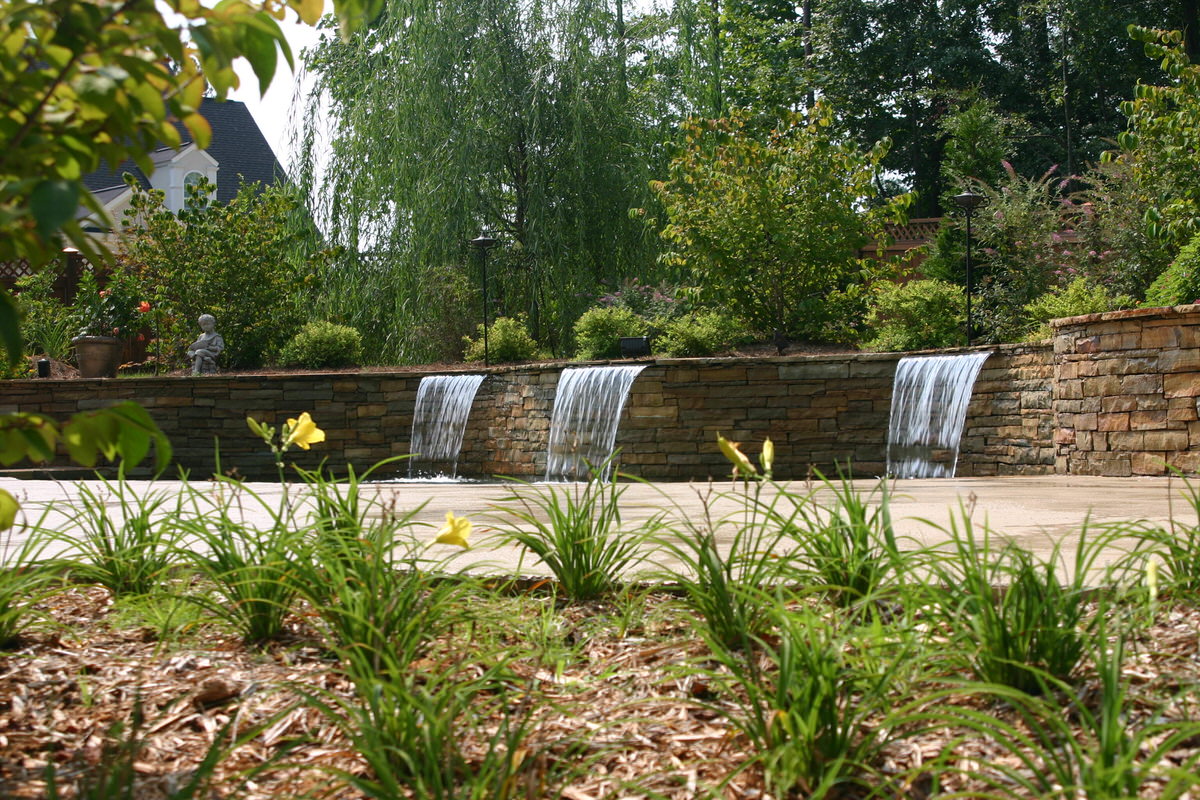

Pool lighting transforms ordinary backyards into magical evening retreats. The right lighting extends usability beyond daylight hours, enhances safety, creates stunning visual effects, and dramatically increases property value. With modern LED technology, smart controls, and creative design options, pool lighting has evolved from simple functional illumination to sophisticated outdoor entertainment systems.
This comprehensive guide explores pool lighting options for 2026, helping you design illumination that enhances your pool’s beauty while providing practical benefits.
Why Pool Lighting Matters
Safety and Security
Proper lighting prevents accidents by illuminating steps, edges, and depth changes. Swimmers can see clearly, reducing collision and injury risks. Well-lit pools also deter unauthorized access—dark pools invite trespassing while illuminated areas discourage unwanted visitors.
Adequate lighting extends to pathways, deck areas, and surrounding zones. Guests navigate safely from house to pool without stumbling over furniture or missing steps.
Extended Usability
Lighting allows evening swimming and entertaining long after sunset. For families with busy daytime schedules, evening pool time often provides the only opportunity for swimming together. Outdoor entertaining becomes magical under proper illumination.
Aesthetic Enhancement
Lighting showcases your pool’s architectural features, landscaping, and water features. Strategic illumination creates depth, highlights design elements, and establishes ambiance. Your backyard transforms into resort-like environments rivaling any luxury hotel pool.
Property Value
Quality lighting significantly increases property value and buyer appeal. Prospective buyers immediately notice well-lit outdoor spaces, viewing them as luxury amenities. Real estate professionals consistently rank outdoor lighting among top features increasing perceived value.
Types of Pool Lighting
Underwater LED Lights
In-Wall LED Fixtures
Modern LED pool lights mount flush with pool walls, providing powerful illumination from within the water. These fixtures represent the current standard for new pool construction and retrofits.
Advantages:
- Energy-efficient (80-90% less energy than incandescent)
- Long lifespan (30,000-50,000 hours = 10-15 years)
- Color-changing capabilities
- Low heat generation
- Bright, clear illumination
- Low maintenance
Considerations:
- Professional installation required for new fixtures
- Initial cost higher than older technologies
- Fixture replacement requires draining pool or using specialty tools
Optimal Placement:
- One light per 200-300 square feet of pool surface
- Positioned 12-18 inches below water line
- Facing away from primary viewing area (reduces glare)
- Distributed evenly around pool perimeter
Floating Pool Lights
Solar Floating Lights
Battery-powered lights charge via solar panels and float freely on pool surface. These provide supplementary ambient lighting rather than primary illumination.
Advantages:
- No installation required
- Completely portable
- No electricity costs
- Fun for parties and special events
- Safe for swimming
- Affordable ($20-$50 per light)
Limitations:
- Not bright enough for primary lighting
- Require regular recharging
- Can blow to one area in windy conditions
- Need removal for swimming and cleaning
- Shorter lifespan than permanent fixtures
Deck and Landscape Lighting
Path Lights
Low-level fixtures illuminate walkways leading to and around pool areas. Essential for safety and guidance.
Advantages:
- Direct foot traffic safely
- Create inviting atmosphere
- Available in numerous styles
- Relatively inexpensive
- Easy DIY installation options
Applications:
- Walkways from house to pool
- Around pool deck perimeter
- Near gates and entry points
- Along landscaping borders
Deck Lighting
Specialized fixtures designed for pool deck installation provide both safety and ambiance.
Options include:
Recessed deck lights: Flush-mounted fixtures embedded in deck surfaces. Subtle, sophisticated appearance that illuminates without glare.
Post cap lights: Mount on fence posts or railing posts. Provide elevated light distribution.
Step lights: Small fixtures installed in stair risers. Essential for multi-level decks.
Advantages:
- Focused illumination where needed
- Won’t obstruct walking paths
- Durable outdoor-rated construction
- Many color and style options
Accent and Feature Lighting
Landscape Spotlights
Adjustable fixtures highlight specific landscape elements, architectural features, or water features.
Applications:
- Uplighting trees and large plants
- Illuminating waterfalls or fountains
- Showcasing rock formations
- Highlighting pool structure elements
- Creating dramatic shadows and depth
Wall Wash Lighting
Fixtures that graze walls or fences with light, creating soft background illumination.
Benefits:
- Adds perceived space
- Softens hard surfaces
- Creates subtle ambient lighting
- Enhances architectural features
Smart and Color-Changing Systems
RGB LED Technology
Modern LED fixtures produce millions of color combinations, transforming pool appearance instantly. Control systems allow color selection, pattern programming, and synchronized light shows.
Features:
- Change colors to match moods or occasions
- Program light shows and transitions
- Synchronize multiple fixtures
- Control via smartphone apps
- Schedule automatic color changes
- Create themed environments
Popular Color Programs:
- Party mode with rotating colors
- Calm blue for relaxation
- Warm amber for entertaining
- Red/white/blue for holidays
- Custom colors for special events
Fiber Optic Lighting
How It Works
Fiber optic systems use single light source (illuminator) transmitting light through fiber cables to multiple end points. Light emits at cable ends without any electricity at fixtures.
Advantages:
- No electricity in or near water (ultimate safety)
- Single bulb replacement services entire system
- Color changes affect all fixtures simultaneously
- Creates starfield effects in pool floors/walls
- Can be installed in extremely tight spaces
Disadvantages:
- Expensive initial installation
- Not as bright as LED fixtures
- Requires accessible location for illuminator
- Professional installation essential
Best Applications:
- Spa jets and water features
- Starfield effects in pool floors
- Decorative accents
- Supplementary lighting
Lighting Design Principles
Layered Lighting Approach
Effective pool lighting combines multiple light types creating layered illumination:
Task lighting: Bright functional light for activities (swimming, cooking, cleaning)
Ambient lighting: Soft general illumination establishing overall mood
Accent lighting: Focused light highlighting specific features
Proper design balances these layers, avoiding over-lighting (harsh appearance) or under-lighting (inadequate visibility).
Avoiding Common Mistakes
Too few lights: Insufficient fixtures create dark spots and uneven illumination. Follow manufacturer recommendations for fixture quantities.
Too many lights: Excessive lighting washes out ambiance and increases costs unnecessarily.
Poor placement: Lights positioned where they shine in viewers’ eyes create glare and discomfort. Aim lights away from primary viewing areas.
Mismatched color temperatures: Mixing warm and cool white lights creates disjointed appearance. Maintain consistency within zones.
Neglecting pathways: Beautifully lit pools with dark walkways create safety hazards.
Creating Ambiance
Strategic lighting design establishes desired moods:
Romantic/relaxing: Warm white or soft amber tones at low intensity. Underwater lights dimmed to 30-40% with occasional accent lighting.
Entertaining/party: Bright white pool lighting at full intensity. Colorful accent lights. Dynamic color-changing programs.
Natural/serene: Subtle blue-white underwater lighting. Accent lights highlighting landscape elements. Minimize artificial feel.
Dramatic/theatrical: Uplighting architectural features. Bold color choices. Strong contrasts between light and shadow.
Energy Efficiency and Costs
LED vs. Incandescent Comparison
Traditional incandescent pool lights consume 300-500 watts each. LED equivalents use just 20-50 watts for similar brightness.
Annual operating costs (5 hours daily):
Incandescent (400W): $350-$450 per year per fixture
LED (40W): $35-$45 per year per fixture
Savings: $300+ per fixture annually
LED fixtures pay for themselves within 2-3 years through energy savings alone.
Additional LED Benefits
Beyond energy savings:
- Last 10-15 years vs. 1-2 years for incandescent
- Eliminate frequent bulb replacements
- Generate minimal heat
- More durable (no fragile filaments)
- Instant full brightness (no warm-up)
- Dimming capabilities without flickering
Solar Options
Solar-powered landscape and accent lights eliminate electrical costs entirely. Modern solar fixtures provide adequate brightness for pathways and supplementary lighting.
Considerations:
- Require direct sunlight for charging
- Less bright than hardwired fixtures
- Battery replacement every 2-4 years
- Weather-dependent performance
Smart Lighting Controls
Automation Systems
Modern pool lighting integrates with smart home automation:
Smartphone control: Adjust brightness, colors, and programs from anywhere. Turn lights on before arriving home.
Voice control: “Alexa, turn pool lights blue” or “Hey Google, pool party mode.”
Scheduling: Automatic on/off times. Sunset-triggered activation. Different programs for weekdays vs. weekends.
Scene programming: Save favorite settings. “Dinner party,” “romantic evening,” “pool party”—activate complex settings instantly.
Integration: Coordinate pool lighting with landscape, deck, and house lighting for unified control.
Popular Control Systems
Dedicated pool controllers: Standalone systems managing pool equipment and lighting
Smart plugs and switches: Budget-friendly smart control for existing lights
Home automation platforms: Integration with Alexa, Google Home, Apple HomeKit, or comprehensive systems like Control4
Manufacturer apps: Proprietary apps from lighting manufacturers offering specialized features
Installation Considerations
New Construction vs. Retrofit
New Pool Construction
Plan lighting during design phase. Much easier and less expensive to install lights before pool completion.
Optimal approach:
- Adequate fixtures from start (adding later costs significantly more)
- Conduit runs for potential future additions
- Consider multiple light types
- Plan electrical requirements appropriately
Retrofitting Existing Pools
Adding or upgrading lights in existing pools remains possible but more complex.
Options:
- Niche-compatible LED retrofits (replace bulbs only)
- Complete fixture replacement (requires draining pool or specialty tools)
- Add additional lights via new niches
- Wireless/battery-powered supplementary lighting
Electrical Requirements
Pool lighting requires specific electrical standards:
- GFCI protection mandatory
- Proper grounding essential
- Bonding to pool structure required
- Adequate circuit capacity
- Licensed electrician installation (required by code)
Never attempt DIY installation of underwater lights or electrical systems near pools. Improper installation creates life-threatening electrical hazards.
Professional Installation Costs
Typical installation costs:
New construction:
- LED fixture and installation: $700-$1,500 per light
- Fiber optic system: $3,000-$8,000
- Complete lighting design: $5,000-$15,000+
Retrofit projects:
- LED bulb replacement: $400-$800 per fixture
- Complete fixture replacement: $1,200-$2,000 per light
- Adding new lights: $1,500-$3,000 per location
Landscape and deck lighting:
- Path lights: $150-$400 per fixture installed
- Deck lights: $200-$500 per fixture installed
- Accent spotlights: $200-$600 per fixture installed
Permits and Code Compliance
Many jurisdictions require permits for:
- New electrical work
- Voltage changes
- Additional circuits
- Major renovations
Professional installers handle permitting as part of their service.
Maintenance and Troubleshooting
Regular Maintenance
Monthly checks:
- Verify all lights functioning
- Clean fixture lenses (inside and outside)
- Check for water intrusion
- Inspect visible wiring
Annual maintenance:
- Professional inspection of all fixtures
- Replace gaskets if needed
- Tighten fixture mounting
- Test GFCI protection
- Update smart controller firmware
Common Problems
Lights won’t turn on:
- Check circuit breaker/GFCI
- Verify transformer function (low voltage systems)
- Test control system
- Check individual fixture connections
Flickering lights:
- Loose connections
- Voltage fluctuations
- Failing transformer
- Incompatible dimmer switch
Water in fixtures:
- Failed gasket seals
- Cracked lens
- Improper installation
- Fixture damage
Address water intrusion immediately—electrical hazards and corrosion result from delayed repairs.
Special Lighting Applications
Water Features
Specialized lighting for:
- Waterfalls (behind flowing water creates dramatic effect)
- Fountains (uplighting water streams)
- Spillways and sheer descents
- Deck jets and bubblers
- Laminars (arcing water streams)
Spa Lighting
Spa lighting creates intimate ambiance:
- Perimeter lighting around spa edge
- Underwater lights (smaller fixtures than pool)
- Adjacent accent lighting
- Candles and fire features nearby
Poolside Structures
Illuminate:
- Cabanas and pavilions
- Outdoor kitchens
- Bar areas
- Pool houses
- Pergolas and arbors
Emerging Trends for 2026
Current Popular Features
Synchronized light shows: Multi-fixture choreography creating dynamic displays
Music synchronization: Lights responding to music beats and rhythms
Color-temperature adjustable whites: Tunable white light (warm to cool) without colors
Ultra-low profile fixtures: Nearly invisible flush-mounted lights
Wireless controls: Battery-powered fixtures eliminating wiring needs
Sustainable options: Solar-powered systems with battery backup
Future Innovations
Emerging technologies include:
- AI-powered automatic scene selection based on time/weather
- Integration with pool safety systems
- Energy harvesting from pool water temperature differentials
- Projection mapping on pool surfaces
- Augmented reality light shows
Making Your Selection
Planning Questions
Consider these factors:
- Primary use: Entertainment, relaxation, safety, aesthetics?
- Budget: Initial investment and operating costs?
- Control preferences: Simple switches, smart automation, or complex programming?
- Aesthetic goals: Natural, dramatic, colorful, or subtle?
- Existing infrastructure: New construction or retrofit?
- Long-term vision: Future expansion plans?
Working with Designers
Professional lighting designers provide:
- Custom lighting plans
- Product recommendations
- Installation coordination
- Programming assistance
- Ongoing support
Investment in professional design prevents costly mistakes and ensures optimal results.
Conclusion
Pool lighting represents one of the most impactful improvements you can make to your outdoor space. Proper illumination enhances safety, extends usability, creates stunning visual effects, and transforms your backyard into an evening destination. With modern LED technology, smart controls, and creative design options, pool lighting offers nearly unlimited possibilities for customization.
Whether upgrading existing lights or designing new installations, thoughtful planning ensures your investment delivers both practical benefits and aesthetic beauty for years to come. Start planning your lighting transformation this winter, and be ready to enjoy spectacular evening swimming when warm weather returns.
Mid State Pools offers complete pool lighting services including design consultation, product selection, professional installation, and smart system programming. Our lighting specialists create custom designs that enhance your pool’s beauty while meeting all safety and functional requirements.
Ready to illuminate your pool? Contact Mid State Pools today for a free lighting consultation. We’ll visit your property in the evening, assess your current lighting (or lack thereof), and create a custom design that transforms your outdoor space. Our team works with all major lighting technologies and can retrofit existing pools or design complete systems for new construction. Call (478) 953-7300 to schedule your lighting consultation.
