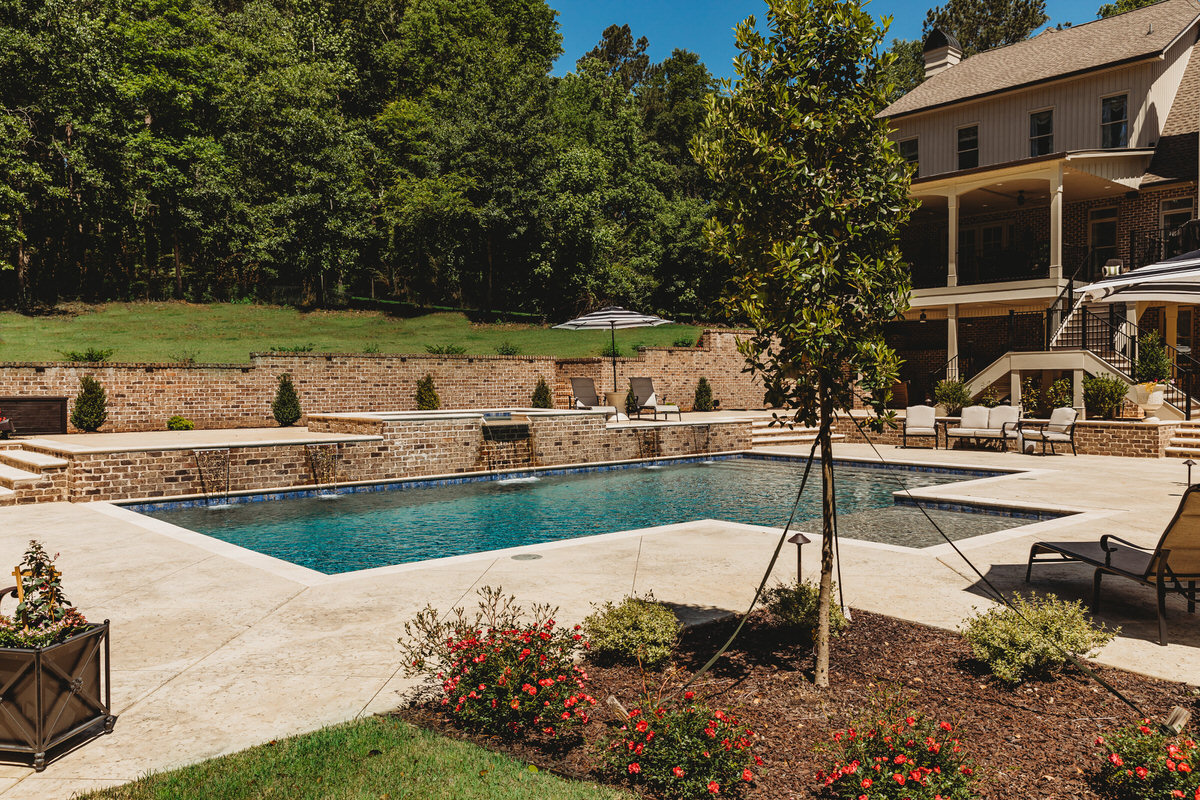

Pool safety remains the top priority for responsible pool owners. While swimming pools provide endless summer enjoyment, they also present serious risks without proper safety measures. Recent statistics show that comprehensive safety features reduce pool accidents by over 85%, making them essential investments for any pool owner.
This guide explores the critical safety features every pool should have in 2026, helping you protect your family, guests, and neighbors while ensuring compliance with current safety regulations.
Understanding Modern Pool Safety Standards
Evolving Safety Regulations
Pool safety standards have evolved significantly over the past decade. Many jurisdictions now require multiple layers of protection, often called “layers of protection” approach. This strategy ensures that if one safety measure fails, others remain in place to prevent accidents.
Federal and state regulations vary, but most areas now require at least two or three safety barriers. Understanding your local requirements is the first step toward creating a safe pool environment.
The Cost of Inadequate Safety
Pool accidents cause thousands of injuries and hundreds of deaths annually, with most victims being children under five years old. Beyond the tragic human cost, pool owners face significant legal liability when accidents occur due to inadequate safety measures.
Insurance companies increasingly require proof of specific safety features. Homes without proper pool safety equipment may face higher premiums or even coverage denial.
Essential Pool Safety Features
Pool Fencing and Gates
Why Fencing Matters
Proper fencing creates a physical barrier preventing unsupervised access to your pool. Studies consistently show that four-sided isolation fencing—completely separating the pool from the house and yard—provides the most effective protection.
Modern Fencing Requirements
Current safety codes typically require:
- Minimum height of 4 feet (many jurisdictions now require 5 feet)
- No climbable elements within 3 feet of fence
- Vertical bars spaced no more than 4 inches apart
- Gates that self-close and self-latch
- Latches positioned at least 54 inches above ground
Fencing Material Options
Popular fencing materials include:
Mesh fencing: Removable, affordable, and practically invisible. Perfect for pools that aren’t used year-round. Professional installation ensures proper tension and secure mounting.
Aluminum fencing: Durable, low-maintenance, and attractive. Available in various styles to complement any landscape design. Won’t rust or corrode in pool environment.
Glass fencing: Modern, upscale appearance with unobstructed views. Tempered safety glass withstands impacts. Higher cost but premium aesthetic appeal.
Wrought iron: Classic appearance with excellent durability. Requires periodic maintenance to prevent rust. Heavy construction deters tampering.
Pool Alarms and Detection Systems
Types of Pool Alarms
Modern technology offers multiple alarm options for comprehensive monitoring:
Surface wave alarms detect disturbances on the water surface. These battery-powered devices float in the pool and sound alerts when waves indicate someone has entered the water. They’re affordable ($100-$200) and easy to install.
Subsurface alarms use underwater sensors to detect pressure changes. More sophisticated than surface alarms, they distinguish between wind-driven waves and actual entries. Cost ranges from $200-$400.
Gate alarms alert you when pool gates open. These simple devices cost $20-$100 and provide excellent supplementary protection. Install on all gates accessing the pool area.
Perimeter alarms create invisible detection zones around the pool using infrared beams. When someone crosses the beam, alarms activate. Professional installation costs $500-$1,500 but provides reliable protection.
Wearable alarms attach to children’s wrists or clothing. If the device gets wet, alarms sound at a base station. Excellent for young children but should supplement, not replace, other safety measures.
Pool Covers
Safety Cover Types
Not all pool covers provide safety protection. Decorative covers that simply float on water are dangerous—children or pets can become trapped underneath. True safety covers must support weight and meet ASTM safety standards.
Mesh safety covers allow water to drain through while supporting significant weight. They prevent access to water and keep debris out during off-season. Anchored at multiple points around pool perimeter.
Solid safety covers completely cover the pool with reinforced material. They require pumps to remove standing water. Provide maximum debris protection but require more maintenance.
Automatic safety covers extend and retract at the push of a button. Mounted on tracks along pool sides, they encourage consistent use through convenience. Higher cost ($8,000-$15,000) but excellent daily protection.
Anti-Entrapment Drain Covers
Understanding Entrapment Risks
Pool drains create suction that can trap swimmers, particularly children. Modern anti-entrapment drain covers reduce this risk through improved design that distributes suction pressure and prevents body parts from blocking the entire drain opening.
Current Requirements
The Virginia Graeme Baker Pool and Spa Safety Act requires anti-entrapment drain covers on all public pools and spas. Many states extend these requirements to residential pools. Even if not required, these covers provide crucial safety improvements.
Drain covers should be:
- Certified to ASME/ANSI A112.19.8 standards
- Properly sized for drain opening
- Securely fastened with one-way screws
- Inspected regularly for cracks or damage
- Replaced immediately if damaged
Pool Safety Equipment
Essential Rescue Equipment
Keep these items near your pool at all times:
Reaching poles allow you to extend help to swimmers in distress without entering the water. Telescoping poles (8-16 feet) work for most residential pools. Store in easily accessible location.
Ring buoys provide flotation for struggling swimmers. Attached rope allows you to pull the person to safety. U.S. Coast Guard approved buoys ensure adequate flotation.
First aid kits should be fully stocked and waterproof. Include CPR masks, bandages, antiseptic, and emergency contact information. Check and refresh supplies quarterly.
Emergency phone with posted emergency numbers. Consider a waterproof phone specifically for pool area. Program in poison control, nearest hospital, and 911.
Proper Lighting
Safety Through Visibility
Adequate lighting prevents accidents during evening swimming and deters unsupervised pool access at night. Modern LED pool lighting provides excellent visibility while using minimal energy.
Lighting Recommendations
Install lights in these key areas:
- Pool interior (underwater lighting)
- Deck perimeter
- Steps and entry points
- Diving boards or slides
- Pathway to pool from house
- Fence gates
Motion-sensor lighting provides automatic illumination when someone approaches the pool area, alerting you to potential unsupervised access.
Advanced Safety Technologies
Smart Pool Monitoring Systems
Modern technology enables comprehensive pool monitoring from smartphones:
Water quality sensors continuously monitor chemical levels and alert you to imbalances. Maintaining proper chemistry prevents health risks from bacteria or algae.
Motion detection cameras allow remote viewing of pool area. Some systems use AI to detect when someone enters the pool and send immediate alerts.
Smart covers report their status to your phone. You’ll know immediately if your automatic cover isn’t fully closed.
Integrated safety systems combine multiple sensors and alarms into unified platforms. Manage all safety features through single apps for convenient monitoring.
Pool Safety Apps
Several applications help parents maintain pool safety:
- Swimming lesson trackers
- Water safety education games for children
- Emergency response guides
- Safety checklist reminders
- Weather alerts for pool area
While apps shouldn’t replace physical safety measures, they provide valuable supplementary support.
Safety Training and Education
Swimming Lessons
The most important safety measure is teaching everyone in your household to swim. Enroll children in swimming lessons as early as six months old. Infant swimming programs focus on water survival skills before formal stroke instruction begins.
Continue lessons until children demonstrate strong swimming abilities and water safety knowledge. Adults who can’t swim should also take lessons—it’s never too late to learn.
CPR and First Aid Certification
Every pool owner and household member over age 12 should maintain current CPR certification. Pediatric CPR training is particularly important for families with young children.
Local organizations offer certification courses:
- American Red Cross
- American Heart Association
- YMCA
- Local hospitals and fire departments
Certification requires renewal every two years. Consider taking refresher courses annually to maintain skills.
Family Safety Rules
Establish and enforce clear pool safety rules:
- Never swim alone—always use the buddy system
- No running on pool deck
- No diving in shallow areas
- No glass containers in pool area
- Adult supervision required for children
- No swimming during thunderstorms
- Enter and exit pool at designated points only
- No breath-holding games or competitions
Post rules prominently near the pool. Review them regularly with family members and guests.
Supervision Best Practices
Active Adult Supervision
“Active supervision” means constant, focused attention on swimmers. Designate a “water watcher” who accepts responsibility for watching swimmers without distractions.
Water watchers should:
- Avoid phone calls, texting, or reading
- Stay within arm’s reach of young children
- Scan entire pool area every few seconds
- Rotate duty every 15-30 minutes to maintain alertness
- Wear identification badge or marker
Supervision Guidelines by Age
Infants and toddlers (0-4 years): Within arm’s reach at all times. Touch supervision required—you should be able to reach out and touch the child.
Young children (5-9 years): Within line of sight and easy reach. Constant visual supervision even if child knows how to swim.
Older children (10+ years): Periodic checks every few minutes. Buddy system required. Check-ins should be frequent enough to intervene if problems develop.
Adults: Should never swim alone, regardless of ability. Medical emergencies or cramps can affect even strong swimmers.
Legal Compliance and Liability
Understanding Your Legal Obligations
Pool owners have “attractive nuisance” liability. Courts recognize that pools attract children, who may not appreciate the dangers. Owners must take reasonable precautions to prevent access by neighborhood children.
Inadequate safety measures can result in:
- Criminal charges for negligence
- Civil lawsuits with significant damages
- Increased insurance premiums
- Homeowner insurance policy cancellation
Documentation and Inspections
Maintain records of:
- Safety equipment purchase receipts
- Installation certificates
- Maintenance logs
- Inspection reports
- Safety rule acknowledgments from guests
Some jurisdictions require periodic safety inspections. Even without requirements, voluntary professional inspections verify your safety measures meet current standards.
Seasonal Safety Considerations
Opening Season Safety Prep
Before allowing swimming each spring:
- Inspect all safety equipment for damage
- Test alarms and replace batteries
- Verify fencing and gates function properly
- Review safety rules with family
- Schedule swimming lessons if needed
- Update emergency contact information
End of Season Protocols
When closing your pool:
- Install safety cover properly
- Lock gates securely
- Remove ladders if possible
- Drain partially-inground pools enough to eliminate drowning risk
- Store rescue equipment properly
- Winterize alarm systems
Integrating Safety with Aesthetics
Many homeowners worry safety features will detract from their beautiful pools. Modern safety products are designed to be unobtrusive or even enhance appearance:
- Frameless glass fencing provides safety without blocking views
- Decorative fence designs complement landscape architecture
- LED safety lighting creates attractive ambiance
- Automatic covers hide completely when retracted
- Alarm systems integrate invisibly into existing infrastructure
Safety and beauty aren’t mutually exclusive—you can have both.
Cost Considerations
Safety Investment Breakdown
Budget for these safety features:
Essential (immediate priorities):
- 4-sided fencing: $1,500-$5,000
- Self-closing/latching gates: $200-$500
- Pool alarms: $100-$400
- Safety equipment: $100-$300
- CPR training: $50-$100
Important (add within first year):
- Safety cover: $1,200-$15,000
- Anti-entrapment drains: $200-$500 per drain
- Improved lighting: $500-$2,000
- Security cameras: $200-$1,000
Total estimated investment: $4,000-$25,000 depending on pool size and feature selection.
Long-Term Value
While safety features require significant initial investment, they provide long-term value through:
- Reduced insurance premiums
- Increased property value
- Avoided legal liability
- Peace of mind
- Protected lives
Consider safety features as insurance against tragedy rather than optional expenses.
Choosing Professional Installation
Selecting Qualified Contractors
For permanent safety features like fencing and drain covers, hire licensed professionals with:
- Specific experience with pool safety installations
- Knowledge of local codes and regulations
- Proper insurance and bonding
- Strong references from recent clients
- Written warranties on work performed
DIY vs. Professional Installation
Some safety measures are suitable for DIY installation:
- Surface wave alarms
- Gate alarms
- Basic rescue equipment setup
- Safety rules signage
Professional installation is recommended for:
- Permanent fencing
- Automatic covers
- Electrical work (lighting, hard-wired alarms)
- Anti-entrapment drain systems
- Integrated monitoring systems
Conclusion
Comprehensive pool safety requires multiple protection layers, proper equipment, adult supervision, and ongoing education. While safety features represent significant investment, they’re essential for protecting the people you love and providing peace of mind every time someone uses your pool.
The best time to improve pool safety is right now. Review your current safety measures, identify gaps, and create a plan to implement missing features before swimming season begins. Your pool should be a source of joy and recreation—proper safety features ensure it remains that way.
At Mid State Pools, we specialize in pool safety feature installation and consultation. Our experienced team can assess your current safety measures, recommend improvements, and professionally install the equipment you need.
Ready to enhance your pool safety? Contact Mid State Pools today for a free safety assessment. We’ll evaluate your pool area, explain current safety standards, and provide detailed recommendations for creating a safer swimming environment. Call (478) 953-7300 to schedule your consultation.

