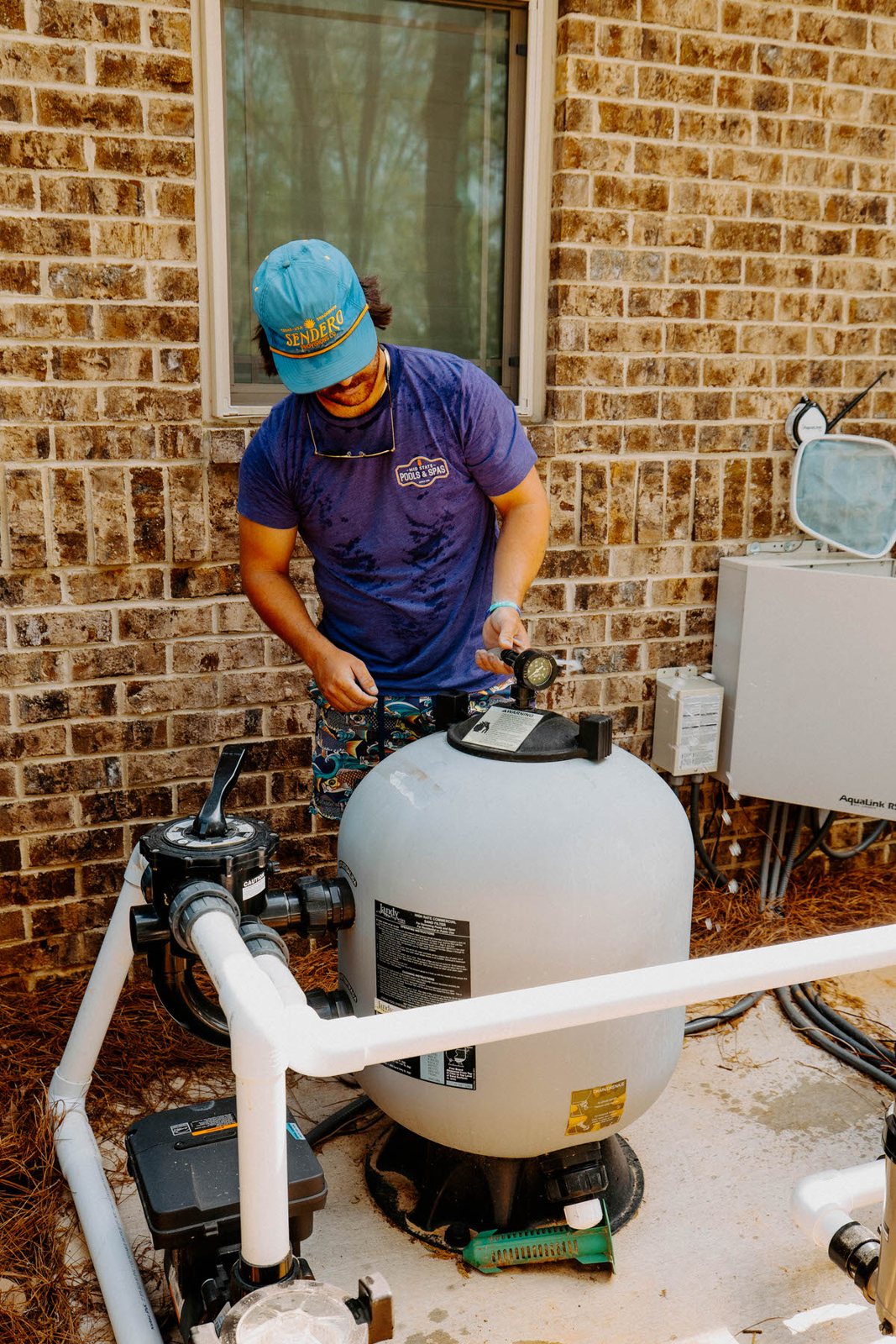

Your pool pump is the heart of your whole system. It runs more hours than almost any appliance you own, and most people never think about it until the day it quits. But here’s something worth knowing before that day comes: pump technology has changed a lot, and if your pool is still running an older single-speed pump, you may be spending far more on electricity than you need to.
We’ve installed and serviced pool equipment across Warner Robins, Macon, Perry, and Bonaire for over 30 years, and pump upgrades are one of the conversations we have most often in the fall. Here’s the plain-language version of what we tell our customers.
Single-Speed vs. Variable-Speed: What’s the Difference?
An old-school single-speed pump has two settings: full blast and off. Every hour it runs, it runs at 100%, whether it’s doing heavy work like vacuuming or just gently circulating water overnight.
A variable-speed pump can slow down. And here’s the part that matters: slowing a pump down saves a surprising amount of energy. Running at half speed doesn’t cut energy use in half, because of how pump physics works, it cuts it far more than that. Circulating your water at low speed over more hours does the same job as blasting it at high speed, for a fraction of the electricity.
Signs Your Pump May Be Due for an Upgrade
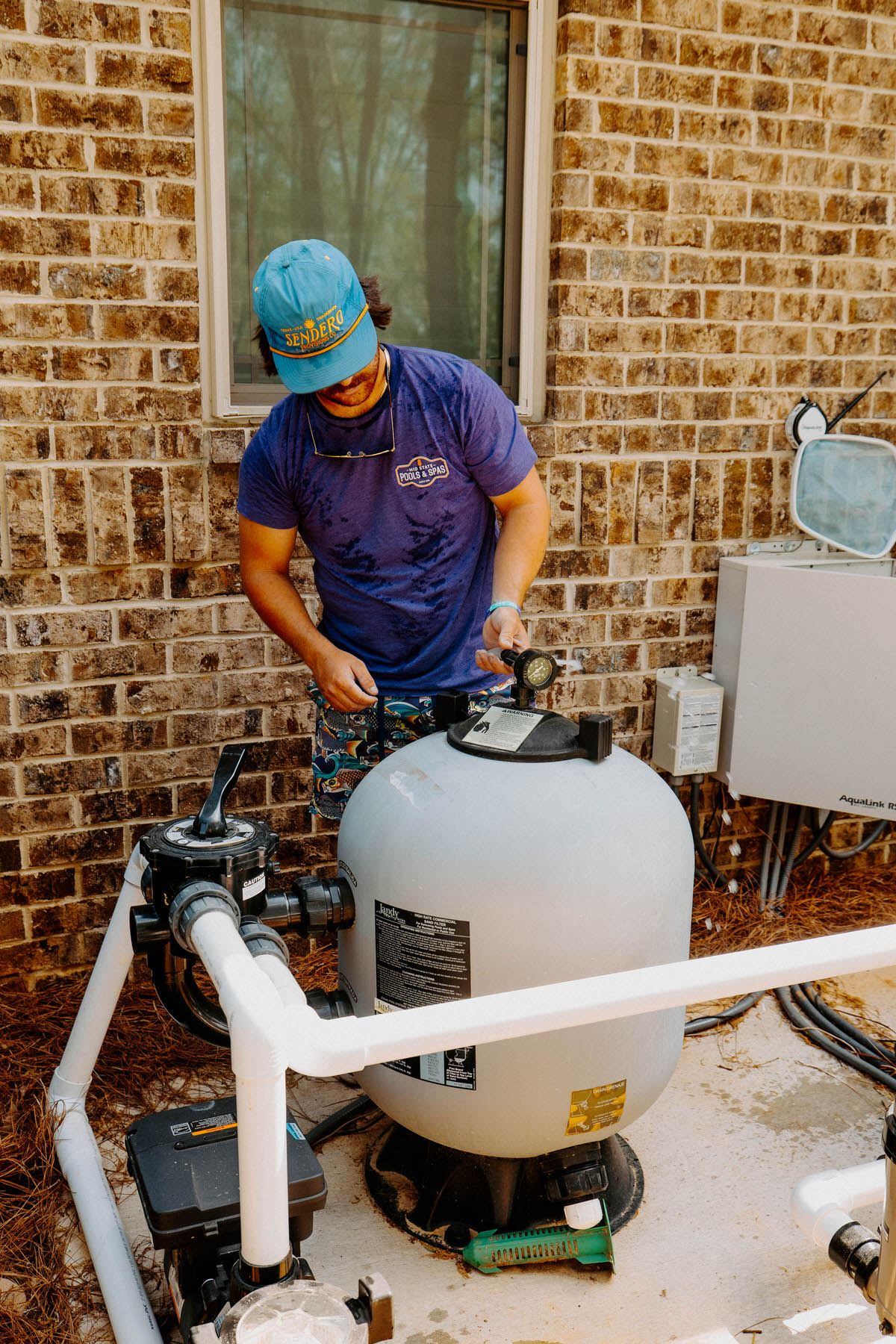
- It’s a single-speed model more than 8–10 years old. Even if it still runs, it was built in a different era of energy prices.
- It’s louder than it used to be. Grinding or screeching usually means bearings are wearing out. Variable-speed pumps at low speed are famously quiet, and many owners say they can’t tell it’s on.
- Your summer power bills sting. In our long Middle Georgia swim season, the pump runs a lot of hours from April to October. That’s exactly the situation where a variable-speed pump pays for itself over time.
- You’re already repairing it. If a motor is failing on an old single-speed pump, putting money into it is usually the wrong move when an upgrade is on the table.
One more thing worth knowing: federal efficiency rules now mean most replacement pumps sold today are variable-speed anyway, so the real question isn’t if you’ll switch someday, it’s whether it’s smart to switch before your old pump forces the issue.
Why Fall Is a Good Time to Do It
Swapping a pump is quick work for our service team, but fall timing has advantages: you’re past the heavy summer run-time, our schedule has more room than in the spring rush, and your new pump is dialed in and ready before next swim season. Pair it with a general fall check-up. Our fall pool maintenance checklist covers what else deserves a look this time of year.
What About Cost?
Every pool is a little different: plumbing, pool size, filter setup, and how many hours you run all factor in. Rather than quote internet numbers that may not fit your backyard, we’d rather look at your actual setup and give you a straight answer. That’s how we’ve done business since 1988.
Talk to a Local Team That Knows Your Pool
If your pump is getting old, loud, or expensive, let’s talk before it becomes an emergency on the first hot weekend of next year. Call us at 478-953-7300 to schedule a service visit, or stop by the showroom at 540 S Houston Lake Rd in Warner Robins, GA 31088 and ask us anything. Family-owned, Middle Georgia proud, and always happy to explain your options in plain English.
